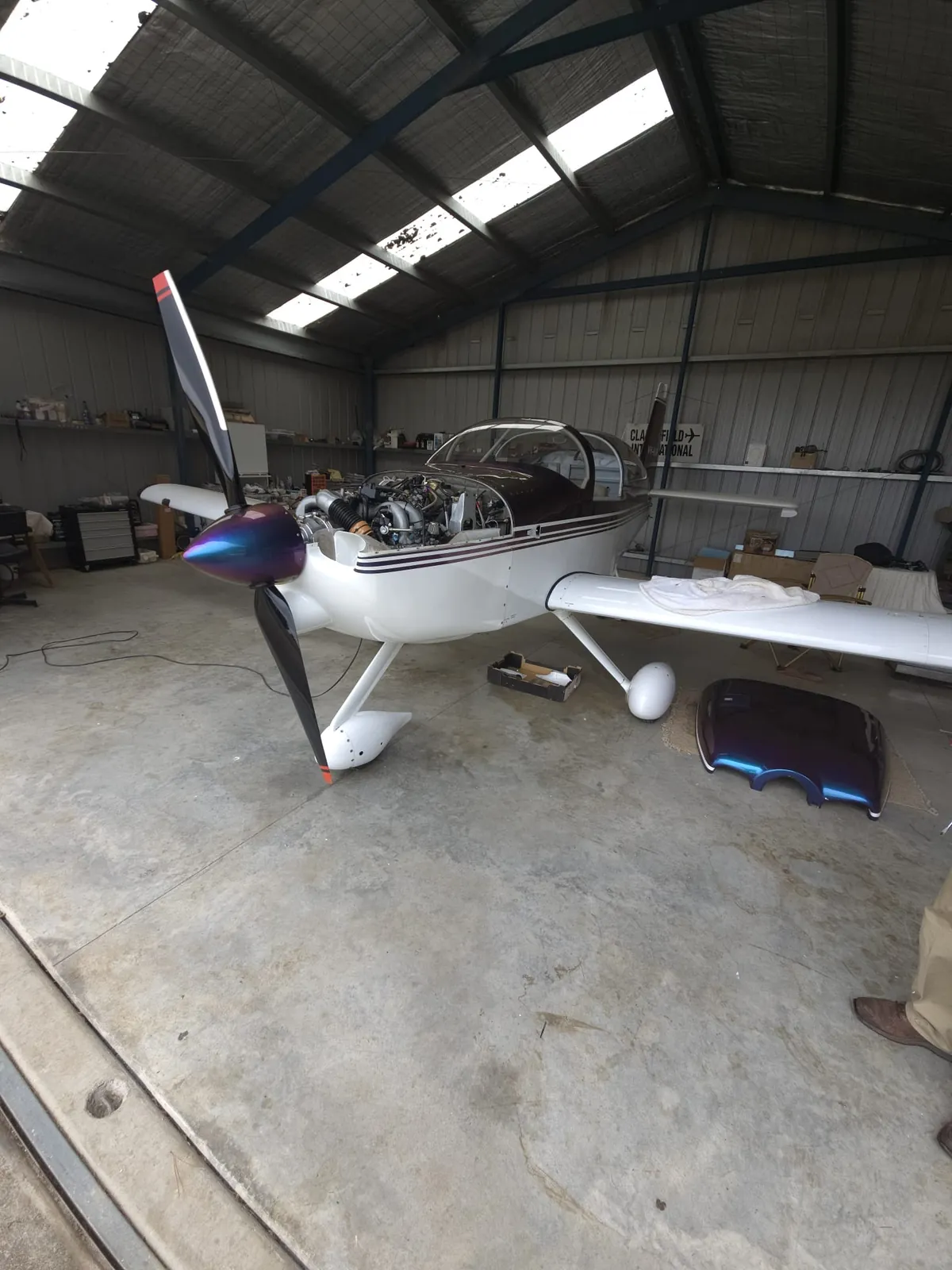
Calibrating a Subaru EJ25 for flight — Cessna on MoTeC M1
Adapting a road-car Subaru EJ25 to power an aircraft on MoTeC M1 — managing the engine's known bearing limitation, sustained high-load EGT and knock, the effect of altitude, and a CASA-grade change record.
Subaru EJ25 - MoTeC M1 - Cessna airframe
What the project set out to do
Develop a calibration for a Subaru EJ25 installed in a Cessna airframe and running MoTeC M1 engine management. The engine was designed for automotive road duty; the task was to make it dependable in an aviation role, where the operating profile and the consequences of a fault are completely different from the road.
The engineering problem
The EJ25 carries a known reliability limitation: a relatively narrow main-bearing contact surface by design, which gives the engine its reputation for main-bearing failure. In an aircraft that constraint cannot be left to chance.
The duty cycle is also nothing like road use. The operating profile ran a cruise band of roughly 3,800-4,000 rpm and a takeoff/launch band of roughly 5,800-6,000 rpm, with prolonged periods of high-throttle operation. Even naturally aspirated, exhaust gas temperatures were observed beyond 700 degrees C under sustained load, which raised the tendency toward knock and had to be managed carefully.
Reduced atmospheric pressure at altitude directly cuts output, and the engine could not be validated on a dynamometer in this application. An intermittent manifold-pressure sensor fault added a further failure mode that could not be ignored.
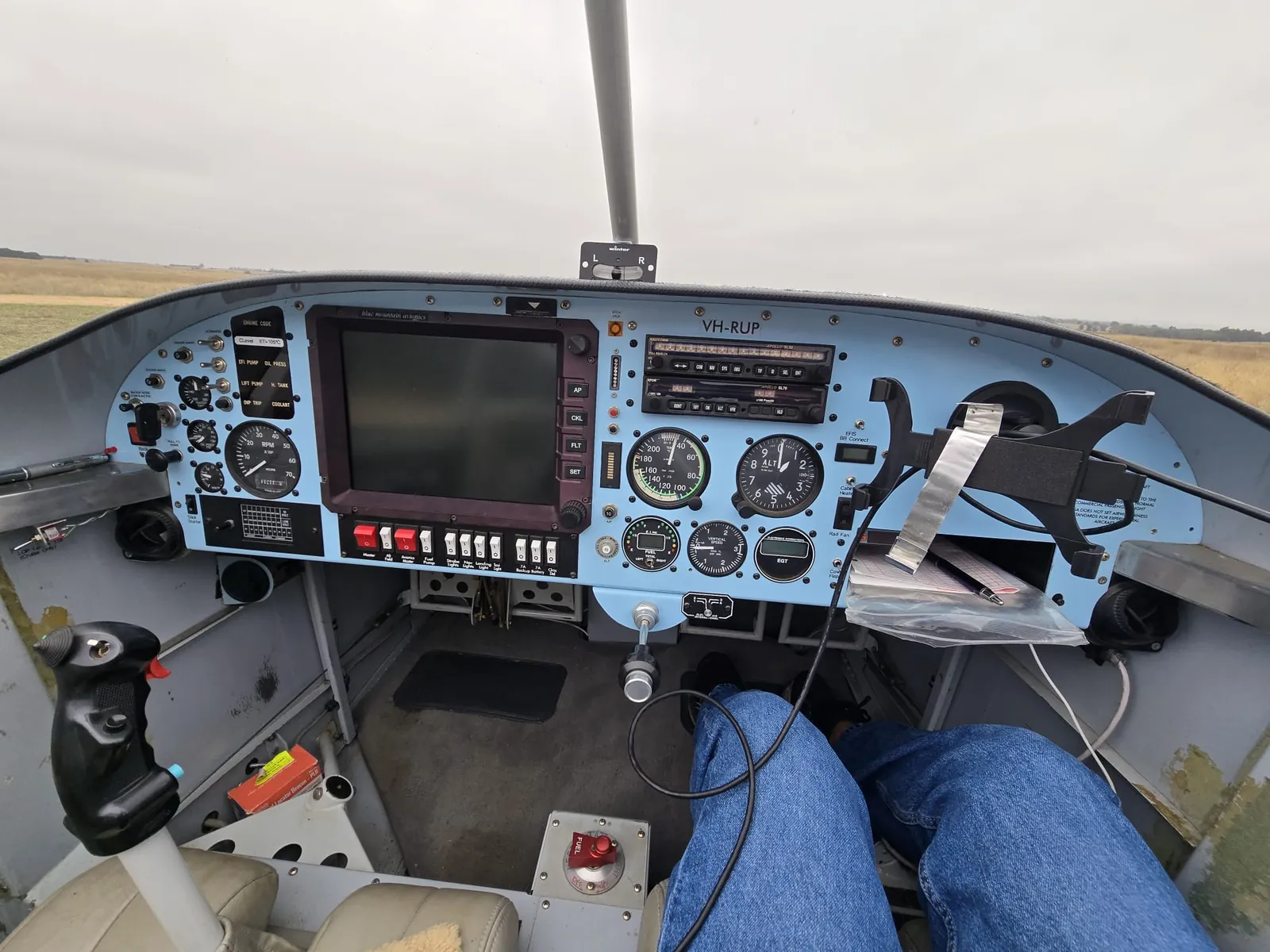
How it was calibrated
Fuel was used deliberately as a thermal-management strategy — balancing its cooling effect against the need to preserve power, which matters all the more given the loss of output to reduced atmospheric pressure at altitude. Because no dyno validation was possible in this application, the power output was calculated theoretically and the calibration developed and verified within the aircraft's own operating envelope.
To guard against the intermittent manifold-pressure sensor, a calibrated manifold-pressure fallback map was implemented within the MoTeC M1 as a failsafe, so a sensor dropout could not put the engine into an unsafe state.
Every calibration change and log entry carried detailed commentary. Maintaining a full, auditable change history is mandatory under Civil Aviation Safety Authority (CASA) requirements, and that discipline shaped how the work was recorded throughout.
The result
A calibration matched to the aviation operating profile — thermal load and knock held within conservative bounds across cruise and takeoff, power preserved as far as the altitude conditions allow, a manifold-pressure failsafe in place against the sensor fault, and a complete, regulator-grade change record. The work prioritised sustained, dependable operation over peak numbers, which is the only sensible objective when the engine has to keep running.
Why purpose-built aviation engines are designed differently
Researching late-generation certified aircraft engines — which carry significant cost — highlighted how different the reliability philosophy is, and that context framed the risk awareness in adapting an automotive engine to the role.
Redundancy is built in at the cylinder level: two spark plugs per cylinder and duplicate fuel injectors, so the engine keeps running through a partial ignition or fuelling failure. The cylinder barrels differ too — the lower sections are air-cooled rather than water-jacketed, using solid aluminium with deep external cooling fins to reduce thermal distortion in the block. The connecting rods are a notable departure as well: single-piece, non-split rods that must be installed onto the crankpins before the crankshaft is assembled, with the crank running on heavy-duty ball and roller or needle bearings to prioritise durability and low friction under continuous load. An automotive EJ25 offers none of that by design, which is exactly why the calibration had to carry the safety margin instead.
Questions about this project
Was this engine dyno-tuned?
No. A dynamometer could not be used in this application, so the power output was calculated theoretically and the calibration was developed and verified within the aircraft's own operating envelope.
Why is calibrating an automotive engine for aviation harder than a road tune?
The duty cycle is unforgiving — long periods at high steady load, distinct cruise and takeoff RPM bands, reduced air density at altitude, and a fault tolerance close to zero. The calibration has to protect the engine thermally and against knock while preserving usable power, and every change is documented to CASA requirements.
How was the EJ25's known main-bearing limitation handled?
The EJ25's relatively narrow main-bearing contact surface is a known constraint, so the calibration was shaped around keeping load, temperature and knock within conservative bounds for sustained operation rather than chasing peak output.
The engineering behind your workshop's calibrations
This kind of project is shared to show the depth behind the day-to-day work. Approved workshops calibrate directly with the same engineer. It is not a service sold to the public.
