

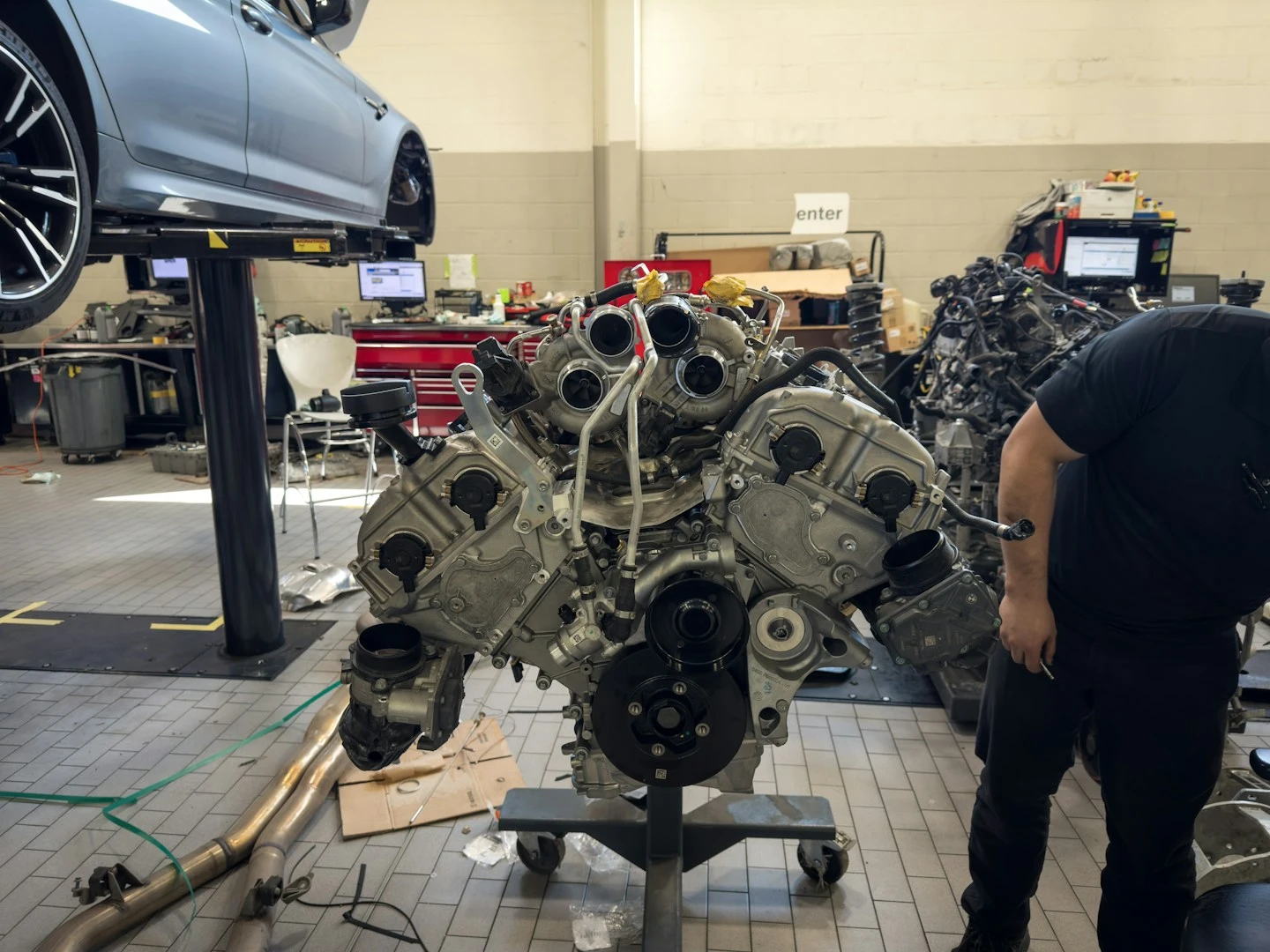
Engine Break-In Procedure
A new or rebuilt engine handled correctly during break-in will reward you with better ring seal, stable oil consumption, and a more predictable calibration baseline. Get it wrong and you are dealing with glazed bores, oil burning, or worse before the tune even begins.
Engine break-in is the controlled ring-seating process that needs combustion pressure, thermal cycles and varying load to happen — not gentle treatment. Run a new or rebuilt engine on mineral or a dedicated break-in oil, never full synthetic, which inhibits ring seating. Avoid extended idling and an over-rich break-in calibration: both glaze the bore and stop the rings sealing. Keep ignition conservative and tolerate no detonation while the engine is fresh. A street engine seats over roughly seven days of varied-load driving; a race engine is broken in on the dyno with a brief safety idle, a controlled warm-up, progressive load, and an oil change after the first session.
Break-In Is a Mechanical Process, Not Just a Procedure
Ring seating is a controlled wear-in process. The rings need combustion pressure, thermal cycles, and varying load to conform to the bore surface correctly. An engine that has not properly seated its rings will never achieve optimal compression, will consume oil, and will be significantly harder to calibrate accurately because the combustion efficiency is unstable.
Mineral Oil for Break-In — This Is Not Negotiable
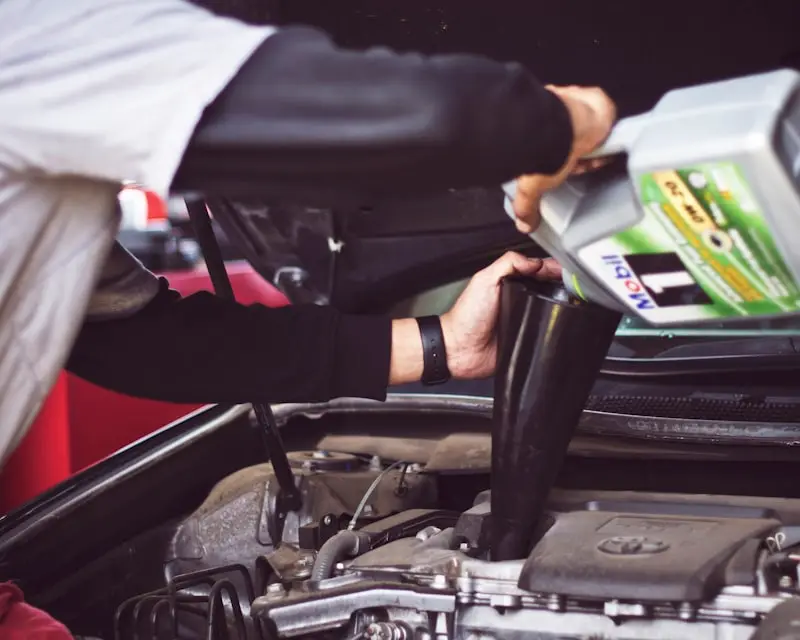
Full synthetic oils are engineered to be slippery. That is their purpose and their strength in a broken-in engine. During the initial break-in period, however, this is exactly the problem. The very property that makes synthetic oil good for a running engine — its extreme lubricating film strength — reduces the controlled surface contact that piston rings need to wear in against the bore correctly.
Mineral Break-In Oil
A conventional mineral oil in the engine's specified viscosity grade allows the piston rings to make the controlled surface contact necessary for seating. Use a dedicated break-in oil if available for your application — they often contain elevated levels of zinc dialkyldithiophosphate (ZDDP) which supports the cam and lifter break-in process alongside ring seating.
Full Synthetic During Break-In
Full synthetic lubricants inhibit ring seating. An engine broken in on full synthetic is likely to show elevated oil consumption and reduced compression consistency. This is not a worst-case scenario — it is a common outcome. Switch to the recommended synthetic once break-in is confirmed complete and an oil change has been performed.
Rich Mixture During Break-In Causes Bore Glazing
This is one of the most overlooked break-in risks. An excessively rich fueling condition during the break-in phase introduces unburnt fuel into the cylinder, which washes the bore surface and mixes with the oil film. This dramatically increases the risk of bore glazing — a condition where the bore surface becomes polished and smooth, preventing the rings from seating correctly.
What Bore Glazing Does
Once a bore glazes, ring seating does not progress. The engine will consume oil, show reduced compression, and produce inconsistent combustion across cylinders. Short of a hone and re-seat, this is very difficult to reverse.
What Causes It
Sustained over-rich calibration, a flooding cold start condition, large injector sizing with incorrect break-in tune, or excessively rich warm-up enrichment all contribute. The bore wash dilutes the oil film and the rings skate instead of wearing in.
Calibration During Break-In
The break-in calibration should target a controlled, appropriate AFR at idle and light load. Not rich for safety, not lean for performance. Stoichiometric or very slightly richer is appropriate. Discuss this when submitting the engine for its first tune.
Detonation During Break-In Is Catastrophic
A fresh engine is at its most mechanically vulnerable during the break-in phase. Ring land support, bearing clearances, and surface finishes are all in their early working state. Detonation during this period concentrates destructive pressure spikes across components that have not yet fully hardened and bedded in.
Any knock event during break-in must be treated as critical
In a fully run-in engine, the calibrator may work with a small knock retard window to identify the engine's limit. In a fresh engine on break-in, this tolerance does not exist. Any detected detonation requires an immediate investigation — check fuel quality, coolant temperature, intake temperature, and calibration before continuing.
- Ignition advance should remain conservative throughout break-in — err toward retard
- Boost targets must stay at or below the break-in calibration limit — do not push boost during this phase
- Monitor coolant and intake air temperature closely — heat soak accelerates knock risk
- Fuel quality matters more during break-in — use a consistent, known-quality fuel source
- Do not attempt back-to-back hard runs before the engine has fully cooled between cycles
Daily Driving for a Week Is the Method
For a street performance vehicle, the most effective break-in is also the simplest: drive it normally, vary the load, and let the cold-to-hot cycles do their work. Seven days of regular mixed driving — including both short commutes and longer highway runs — will expose the engine to the range of conditions it needs.
What Works
- Varied load — mix of light throttle, moderate throttle, and some firmer acceleration in the mid-range
- Multiple cold starts and full warm-up cycles throughout the week
- Highway driving at stable cruise load — good for ring seating under steady pressure
- Short stop-start urban driving for additional heat cycling
What Does Not Help
- Full-throttle runs in the first week — save it for after break-in is confirmed
- Rev-limiting repeatedly — especially common with new car excitement, do not do it
- Sustained motorway cruise at a single load point for hours — vary the pace
- Parking it for three days in the middle of break-in — keep running it
Race Engine Break-In — Compressed but Controlled
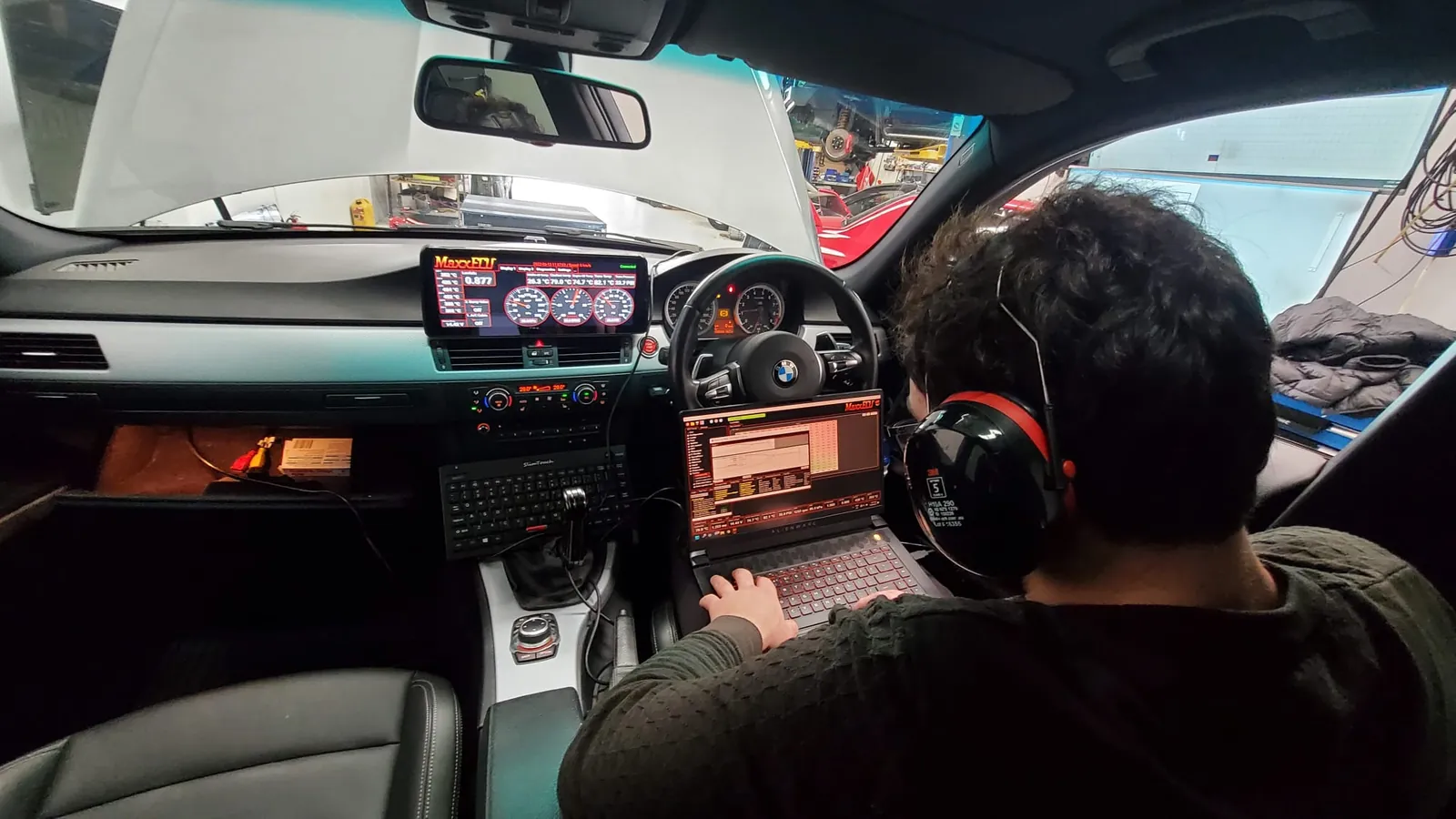
For race engines that will go straight to the dyno, the break-in is compressed into the session itself. This means the calibration approach and the session structure need to accommodate a controlled warm-up and progressive load increase — not a cold start followed immediately by a full-power run.
Cold start and idle check
Start the engine and let it idle only long enough to confirm no leaks, abnormal noises, or warning conditions. Check oil pressure immediately. This is not a warm-up idle — it is a safety check. Keep it brief.
Controlled warm-up under light load
Bring the engine up to operating temperature gradually using light dyno load. Avoid sustained idle — see below. Monitor oil pressure, coolant temperature, and any abnormal combustion throughout.
Progressive load introduction
Begin calibration work at moderate loads in the mid-range RPM. Let the engine accumulate time under load before pushing toward peak power. The first session should not end at maximum boost and RPM.
Oil and filter change after first session
After the first dyno session, change the oil and filter. The initial break-in generates fine metallic particles from the ring and bore contact. Get them out before the next session.
Full calibration development from session two
From the second session with fresh oil and an engine that has gone through its initial thermal cycling, proceed with full calibration development. Monitor compression across cylinders if possible before this session.
Extended Idling Works Against You
This is one of the most common mistakes made during engine break-in. Letting a fresh engine idle for extended periods feels like the safe thing to do — gentle on the engine, low stress, giving it time to warm up. In reality, idling deprives the engine of the combustion pressure it needs to seat the rings.
Why idle is insufficient for ring seating
At idle, the piston rings are under very low combustion pressure. The rings cannot press firmly against the bore surface with sufficient force for controlled wear-in to occur. An engine that spends its break-in period primarily idling will seal poorly and retain cylinder pressure inconsistencies that compromise both power and fuel economy.
We understand that idling is unavoidable. You idle to check for leaks, verify oil pressure, confirm coolant temperature rise, and inspect for any hazards before loading the vehicle. Do all of that. Then get the engine under load. An initial idle of five minutes for a safety check is completely appropriate. An idle of forty minutes because it "feels safer" is not helping the engine bed in — it is just putting heat through it without the pressure that makes break-in happen.
What Successful Break-In Achieves
Proper Ring Seating
Rings conformed to the bore surface, consistent compression across cylinders, and stable oil consumption. The foundation of a reliable calibration baseline.
Thermal Stability
Component expansion characteristics stabilise across multiple heat cycles. Head gasket sealing, bearing clearances, and valve seat contact all benefit from controlled thermal cycling.
Reliable Calibration Baseline
A properly broken-in engine produces consistent data across sessions. AFR response, knock threshold, and boost behaviour are predictable — making calibration development faster and safer.
Ready to start calibration development?
Once break-in is confirmed complete, submit your stock or current file through the dealer portal and let us know where the engine is in its build stage.
Fresh engines
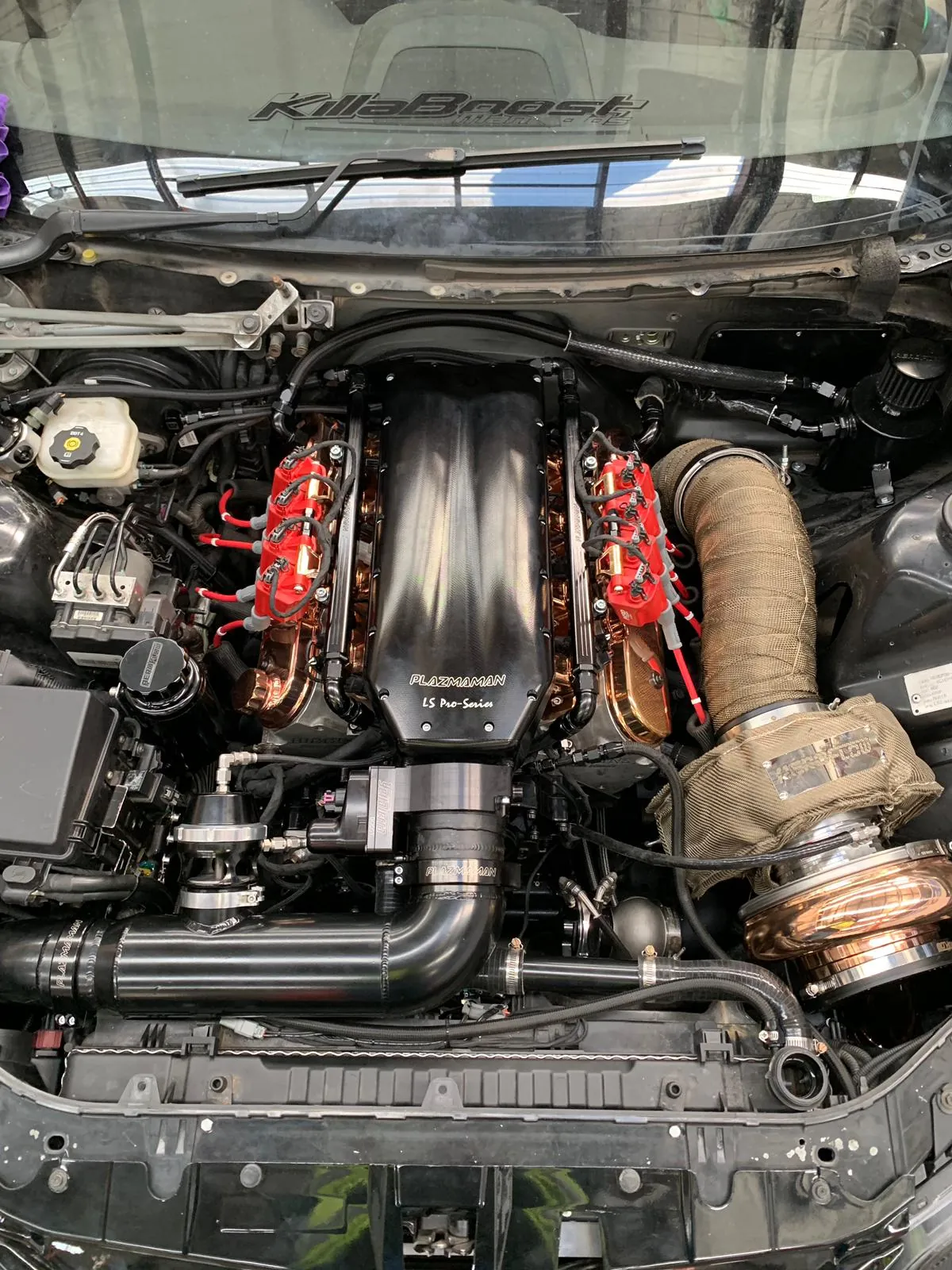
Break-in matters most on exactly these — built engines going out for the first time.
-
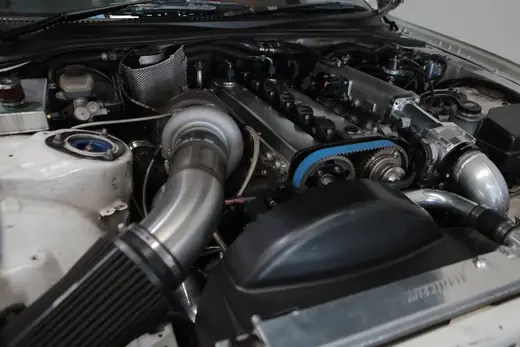
Toyota Supra -
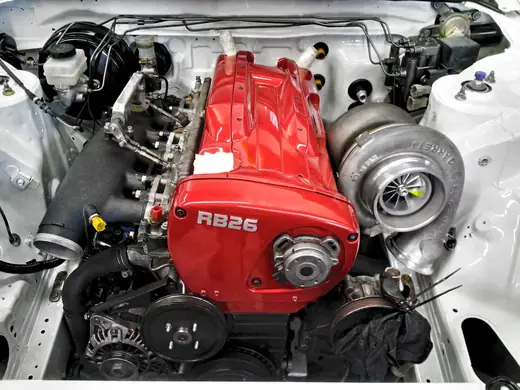
Nissan RB26 -
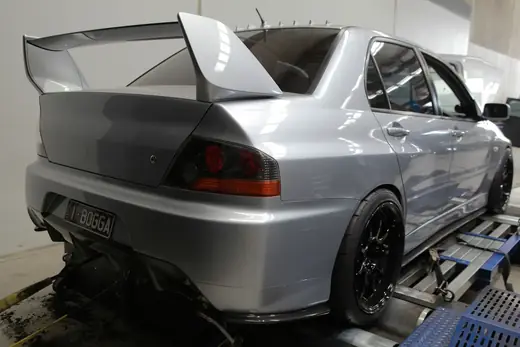
Mitsubishi Evo 9 -
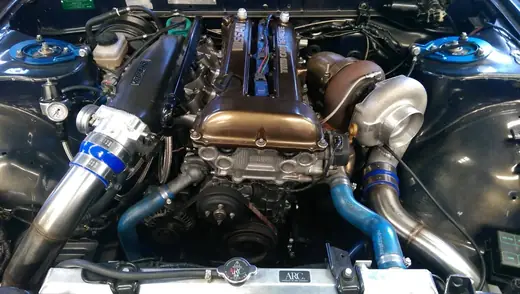
Nissan SR20
Photographs from the former Tuned By Anton workshop, 2015–2025. See the full gallery
