
Calibration, done as engineering
Every file is developed from the vehicle's own data and validated before it's signed off — not a preset map flashed and hoped. This is how we work, and why workshops trust us with their hardest calibrations.
Every ECU and TCU file is developed from the vehicle's own stock read and declared hardware, then validated against the workshop's data logs through an iterative flash, log, review and revise loop before sign-off. Torque, fuelling, boost and transmission are calibrated as one coordinated system — not a generic preset map. That validation loop is what keeps a high-output engine reliable and protects the workshop's name.
Validated against your data — not assumed
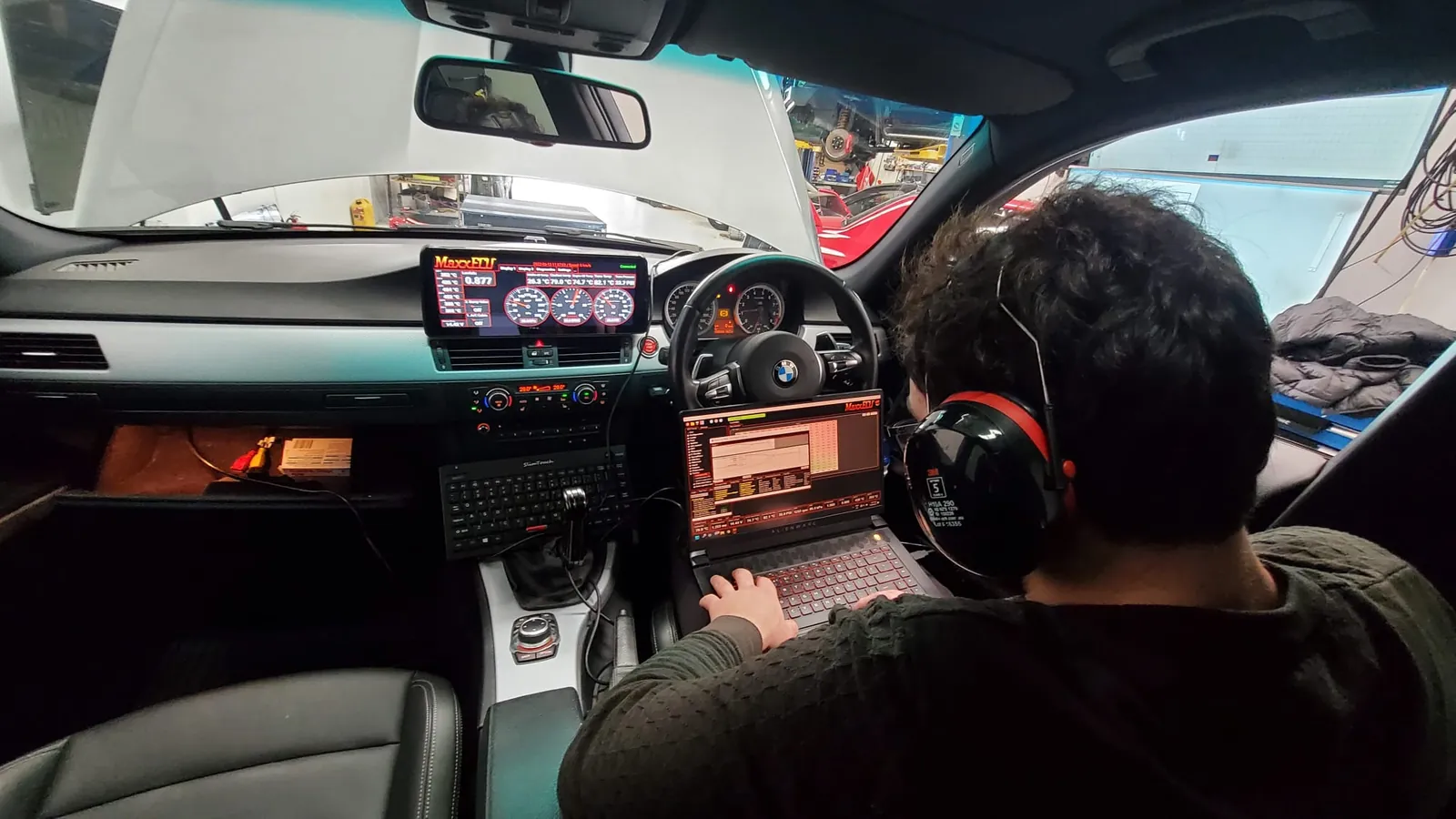
A calibration is only as trustworthy as the data it's verified against. We don't hand over a file and hope; we work an iterative loop with the workshop — the file is flashed, the vehicle is logged under real load, the data is reviewed, and the calibration is revised. That repeats until it's confirmed safe and stable across the operating range. It's slower than emailing a map, and it's the entire point: it's what protects the engine and the workshop's name.
What the numbers actually say
The detail is where engines are kept alive. A few of the relationships every calibration respects — the reason we work from data, not a copied map:
Air is the budget
Power tracks airflow, and airflow tracks charge density — which rises with absolute pressure and falls with absolute temperature (density ∝ P ⁄ T). That is why an intercooler that drops intake temperature can be worth as much as more boost, and why fuel is sized to the air the engine actually has — never the other way round.
Boost is a control loop
Not a spring — a target. The ECU holds a manifold-pressure target and trims wastegate duty to hit it: a feed-forward base plus a closed-loop correction. Get the feed-forward right and boost is flat; get it wrong and it hunts or overshoots. We base it on the real turbo and gearing, then let the loop do small work.
Timing lives at the margin
Best torque sits just below the knock threshold — and that threshold moves with fuel octane, intake temperature and load. We find the margin from logged knock feedback and hold it, rather than copying a fixed timing number from a different car on a different day.
Calibrated as a system
Power is the easy part. A safe, repeatable calibration is the coordination of four layers — each verified against data, each documented in the calibration problem library.
Torque & driver demand
Modern ECUs are torque-structured: the pedal is a torque request, and limiters, traction and transmission all read the torque model. We make that model describe the real engine, so throttle and limits behave with the build instead of fighting it.
Fuelling & AFR
Mixture matched to the hardware and fuel and verified by wideband — richer under high load for cooling and knock margin, leaner where it's safe for response and economy. The difference between durable power and a melted piston.
Boost control
Feed-forward and closed-loop set so boost reaches and holds target without hunting — within what the turbo, fuel system and air temperature can actually sustain, confirmed on a logged ramp run.
Transmission coordination
TCU torque limits, clamp pressure and shift behaviour matched to the new output, so the gearbox holds the torque rather than capping it or slipping — essential on auto and DCT platforms.
The work, not the words
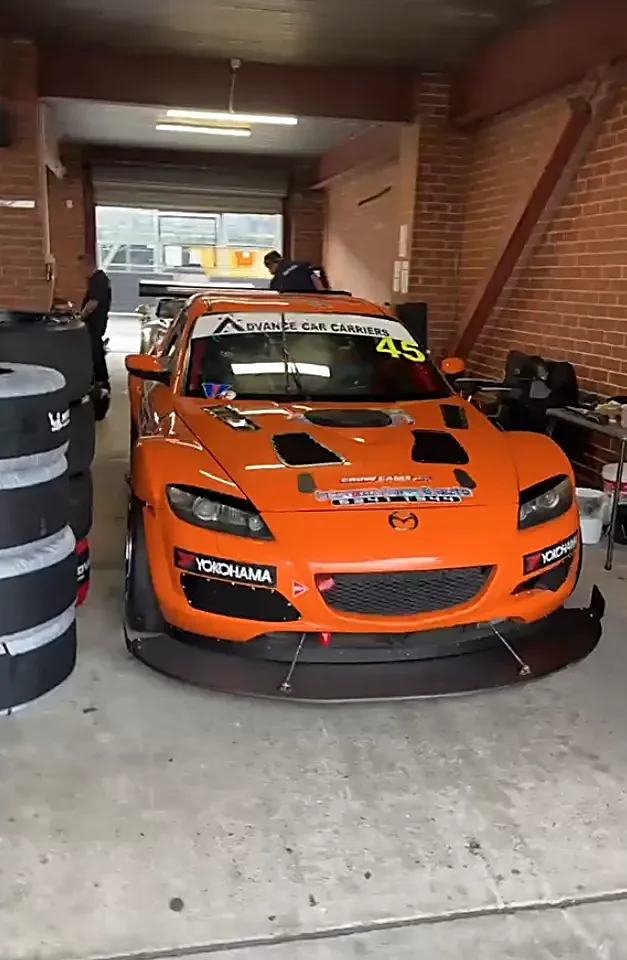
The same discipline runs from a daily-driven remap to the hardest jobs we take on — from a race-engine speedway calibration to adapting an automotive engine for aviation. See the specialist projects and the dyno-verified dyno results.
Calibration you can stand behind
Approved workshops calibrate directly with the engineer. Apply for access, or see how the process runs in the workshop guide.
Where the method came from
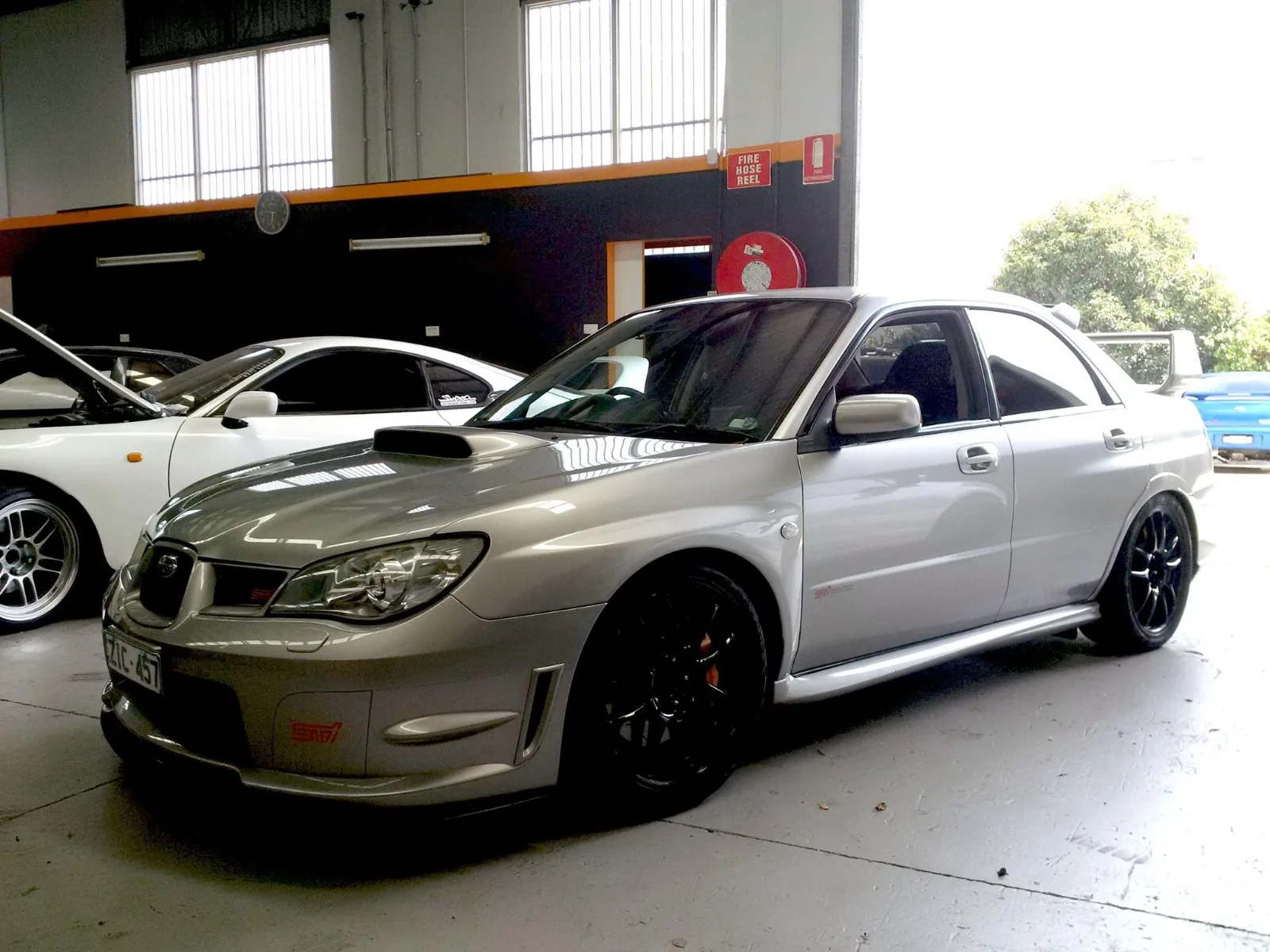
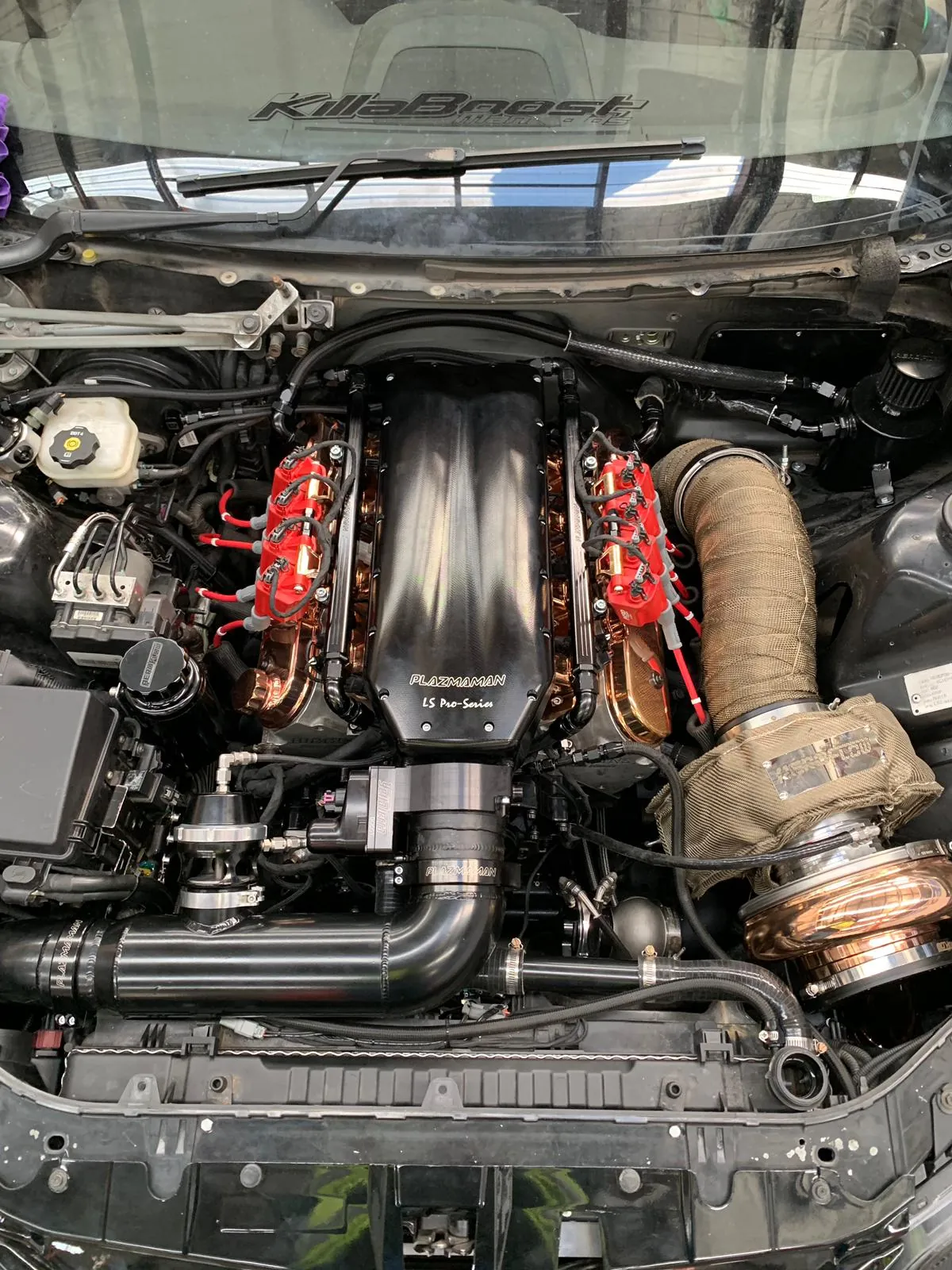
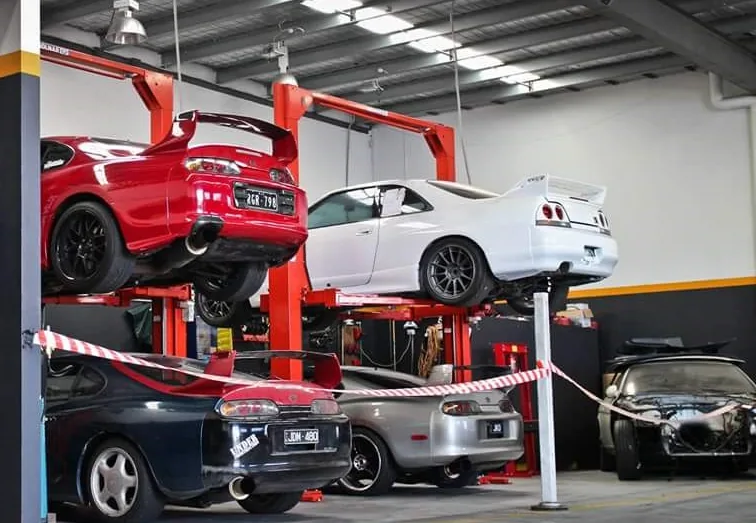
The process on this page was built over fifteen years of cars like these.
-
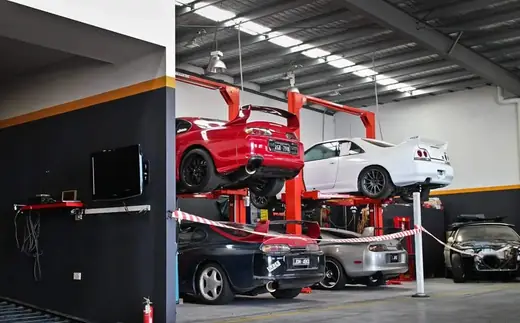
Workshop -
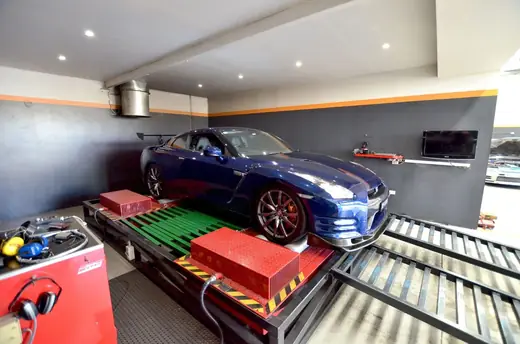
Nissan GT-R R35 -
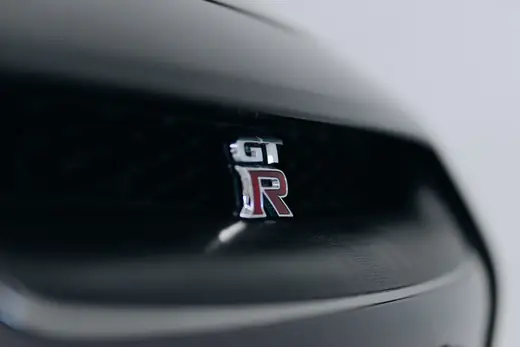
Nissan GT-R -
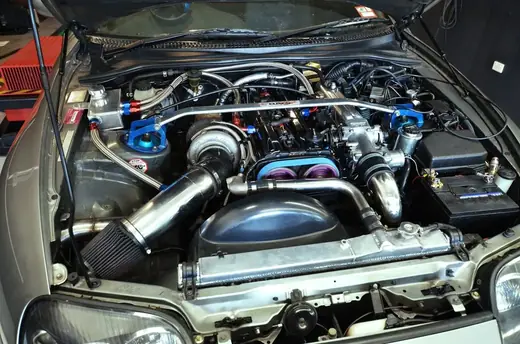
Toyota Supra
Photographs from the former Tuned By Anton workshop, 2015–2025. See the full gallery
