
ECU & TCU Calibration Files for Workshops
We provide remote calibration files for dyno operators, tuning workshops, and fleet specialists across Australia. You run the dyno and log the data — we build the calibration around it. This is not a consumer service.
Exclusively B2B
Protunes does not offer consumer tuning services. Every file we produce goes to an approved workshop with the tools, equipment, and operator competency to use it safely. If you are an end vehicle owner looking for a tune, speak to an approved dealer who will manage the process on your behalf.
Dyno Operators
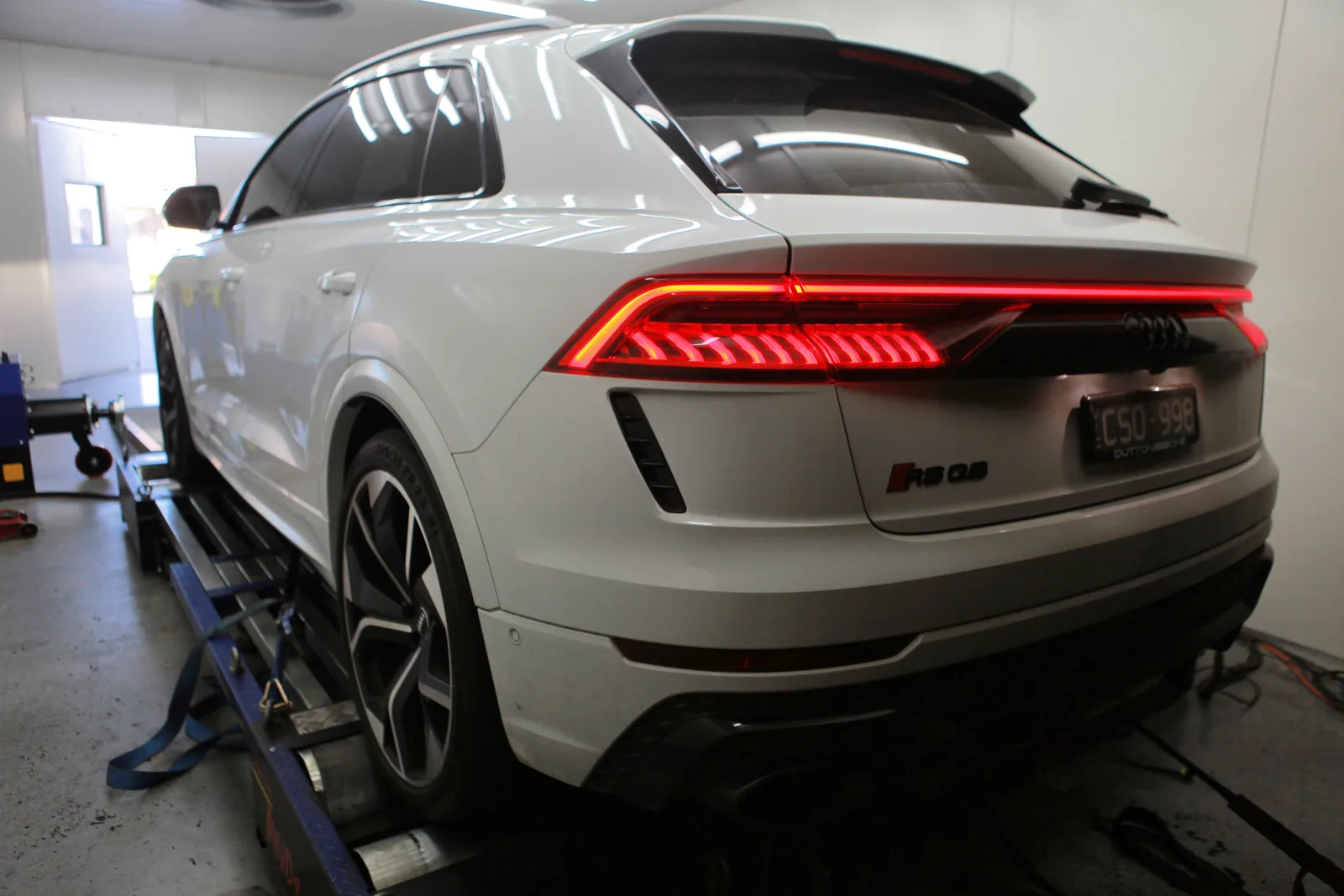
Workshops with a rolling road, load-bearing dyno, or inertia dyno. You have the ability to run a vehicle under controlled load and capture a full log.
Performance Workshops
Workshops building performance vehicles — street, circuit, drag, diesel tow — who need calibration support beyond basic OTS maps.
Flash Tuners & Remote Calibrators
Operators using tools like HP Tuners, ECUtek, MHD, PCMTec, VersaTuner, or Bootmod3 who need a base calibration or ongoing revision support.
How It Works
A calibration is a development cycle, not a one-time file exchange. Most vehicles require multiple revisions before the calibration is confirmed stable across the full operating range. Expect this from the start.
Upload your stock or current file
Read the ECU or TCU and submit the original file through the dealer portal. Include a description of the vehicle's current state and what has changed from stock.
Submit a complete mod list
Every hardware modification matters. Injectors, turbo, fuel pump, intercooler, intake, exhaust, internals. Part numbers where they exist. Inaccurate hardware data means an inaccurate calibration — this directly affects safety.
Define the vehicle application
Street performance, daily tow vehicle, circuit race, drag race, hillclimb, farm use. The target application shapes every calibration decision — fueling strategy, ignition advance, boost curves, torque limiters, temperature thresholds.
Flash and test under controlled conditions
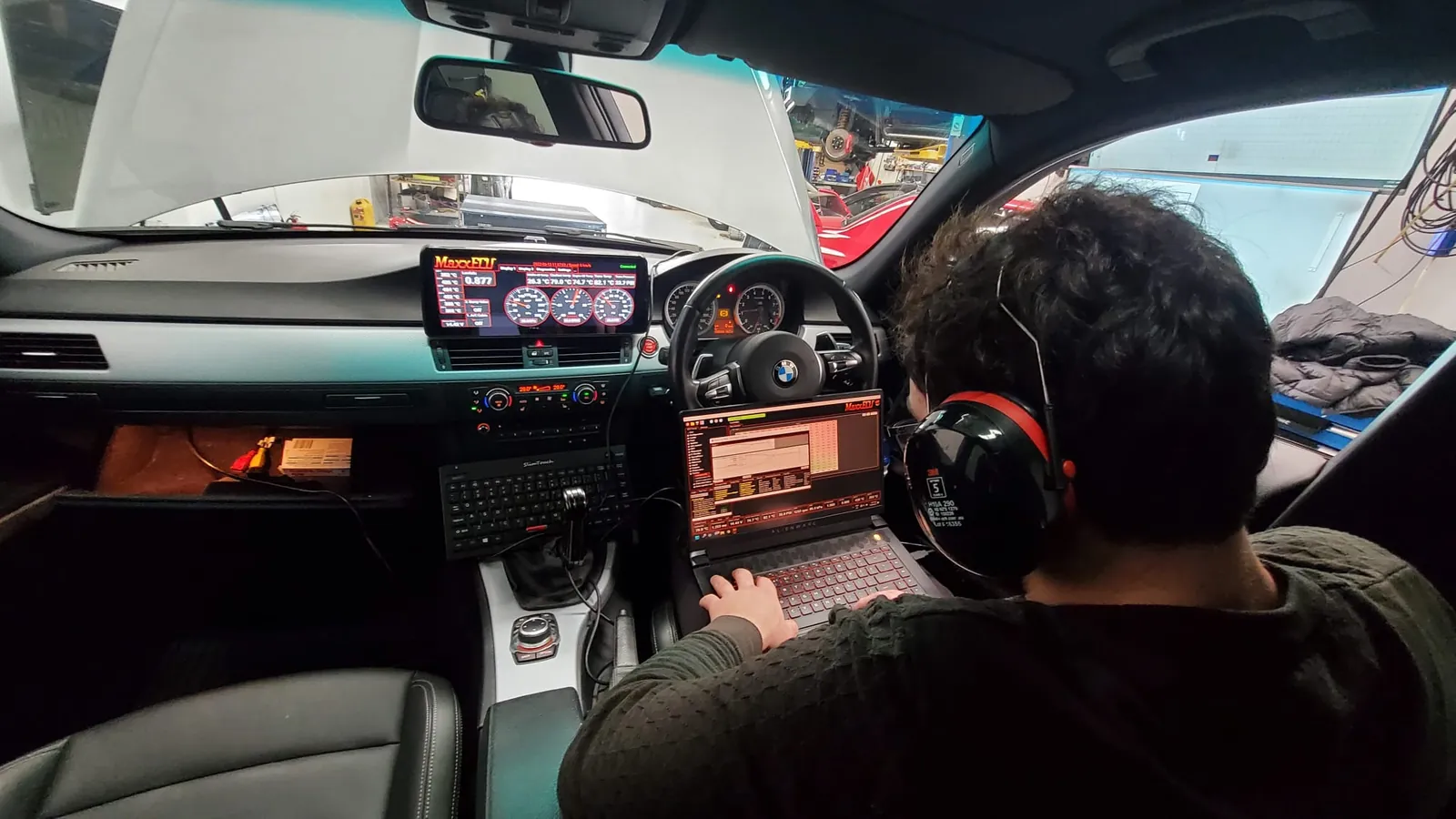
Flash the returned file to the vehicle. Run it on the dyno or road with an operator monitoring all parameters actively. Do not leave the dyno unattended during a run.
Capture full data logs and submit
Log every run. AFR, boost target vs actual, ignition timing, knock retard, injector duty cycle, EGTs if available. Submit the logs for review before requesting a revision.
Iterate until verified
Revisions are made based on the data, not assumptions. This process repeats until the calibration is verified safe and consistent across all operating conditions. There is no shortcut to this step.
What We Expect at Minimum
The quality of any calibration is directly linked to the quality of the operator running the vehicle. A tuning file in the wrong hands is a liability. These are non-negotiable baseline requirements for anyone engaging this service.
Knock Recognition Is Not Optional
The operator must be able to identify detonation events through audible knock and data logging. If knock is detected — sustained or otherwise — testing stops immediately. Not after the run, not after you check the log. Immediately. Continued operation under active knock will destroy the engine.
Dyno Operator Competency
- Experienced with the dyno equipment and its software
- Understands engine load conditions and how to control them
- Can identify abnormal combustion by ear and through a wideband gauge
- Has aborted a run before and knows when to do it again
Active Monitoring During Runs
- Wideband lambda — monitored in real time, not reviewed post-run
- Boost pressure tracked against target at all load points
- Ignition timing and knock retard watched continuously
- EGTs where available — especially on diesels and high-boost builds
Understanding Engine Damage Risk
- Knows the difference between normal combustion noise and knock
- Understands that a lean condition under full load is catastrophic
- Recognises pre-ignition as distinct from detonation
- Does not chase power at the expense of safety margins
Data Literacy
- Can read a data log and identify anomalies before submitting for revision
- Understands what a healthy AFR trace looks like vs a problem
- Can correlate boost deviation with fueling or ignition events
- Provides clean, labelled logs — not raw files with no context
No Log, No Revision
This cannot be overstated: a calibration cannot be verified or safely progressed without data logging. If you do not have the ability to log the channels below, you are not ready to run this service on that vehicle.
Fueling Channels
- Air-fuel ratio (wideband lambda)
- Injector duty cycle
- Fuel trims (short and long term where available)
- Fuel rail pressure (direct injection platforms)
Boost & Airflow
- Manifold absolute pressure — target vs actual
- Mass airflow or calculated load
- Intake air temperature
- Pre and post intercooler temps where measurable
Ignition & Knock
- Ignition advance at load
- Knock retard / knock correction values
- Knock sensor raw signal (if accessible)
- Cylinder-specific knock where platform supports it
TCU Applications
Transmission calibration additionally requires: calculated slip ratio per gear, line pressure vs commanded, clutch fill timing, and shift event timing. Without transmission-specific logging, TCU revisions are best-guess work.
Your Modlist Has to Be Precise
A calibration is built around a set of hardware assumptions. If those assumptions are wrong, the calibration is wrong — and a wrongly-assumed fuel system or injector size under high load can end an engine in seconds. Be exact.
What to Include
- Injector brand, part number, and static flow rate at tested differential pressure
- Turbocharger model — not "upgraded turbo", the actual part number or spec sheet
- Fuel pump — standard, upgraded, or twin pump arrangement, flow at rated pressure
- Intercooler — OEM, upgrade, bar-and-plate, tube-and-fin, approximate volume
- Intake — pod filter, cold air intake, size, any modifications to MAF housing
- Exhaust manifold — stock, aftermarket, equal length, header primary diameter
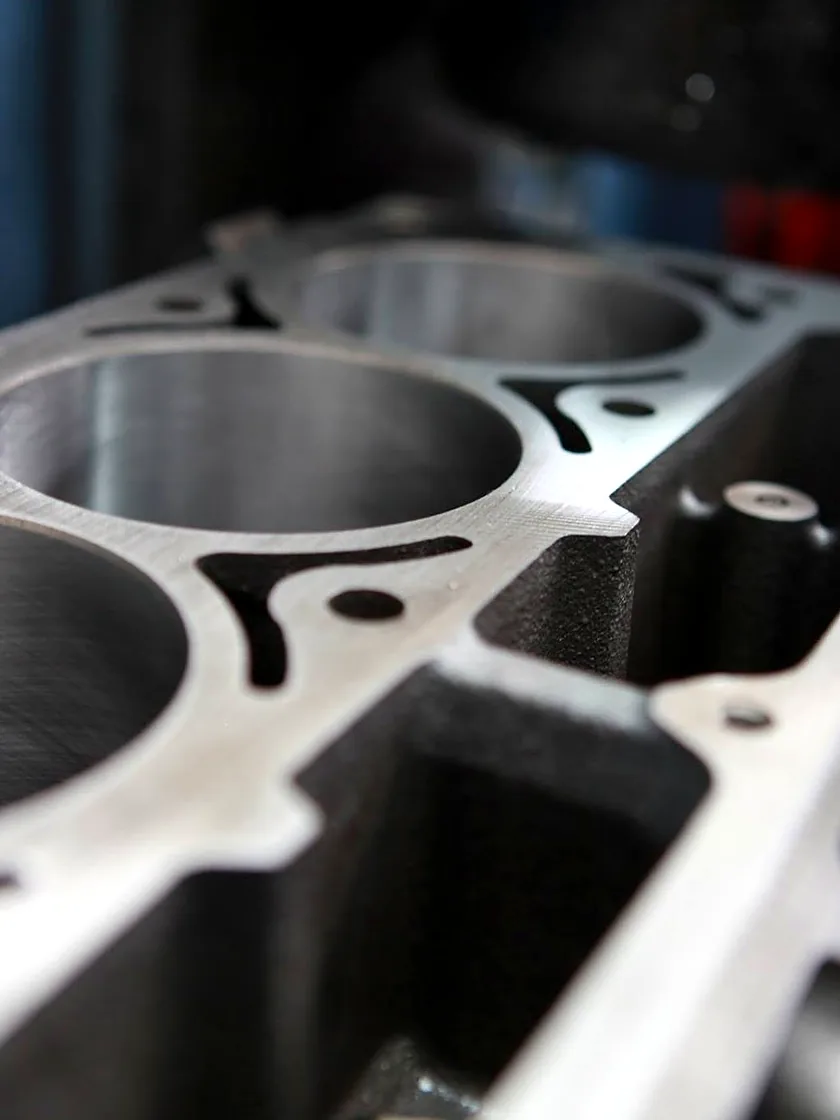
- Internal engine changes — pistons, connecting rods, head gasket thickness, compression ratio
- Transmission modifications — clutch pack, torque converter, valve body, gear set
- Fuel type — exactly what you are running and at what ethanol content
"Similar to stock" is not a modlist
Vague descriptions like "upgraded injectors" or "larger turbo" are not usable for calibration purposes. If you do not have the part number, get it before submitting. A calibration built on guesswork is dangerous.
Application matters as much as hardware
A diesel tow vehicle and a diesel drag car may share the same hardware but need completely different calibrations — torque curves, limiter strategies, EGT management, and response characteristics are all application-dependent.
Port Work, Fabrication, and Calibration Limits
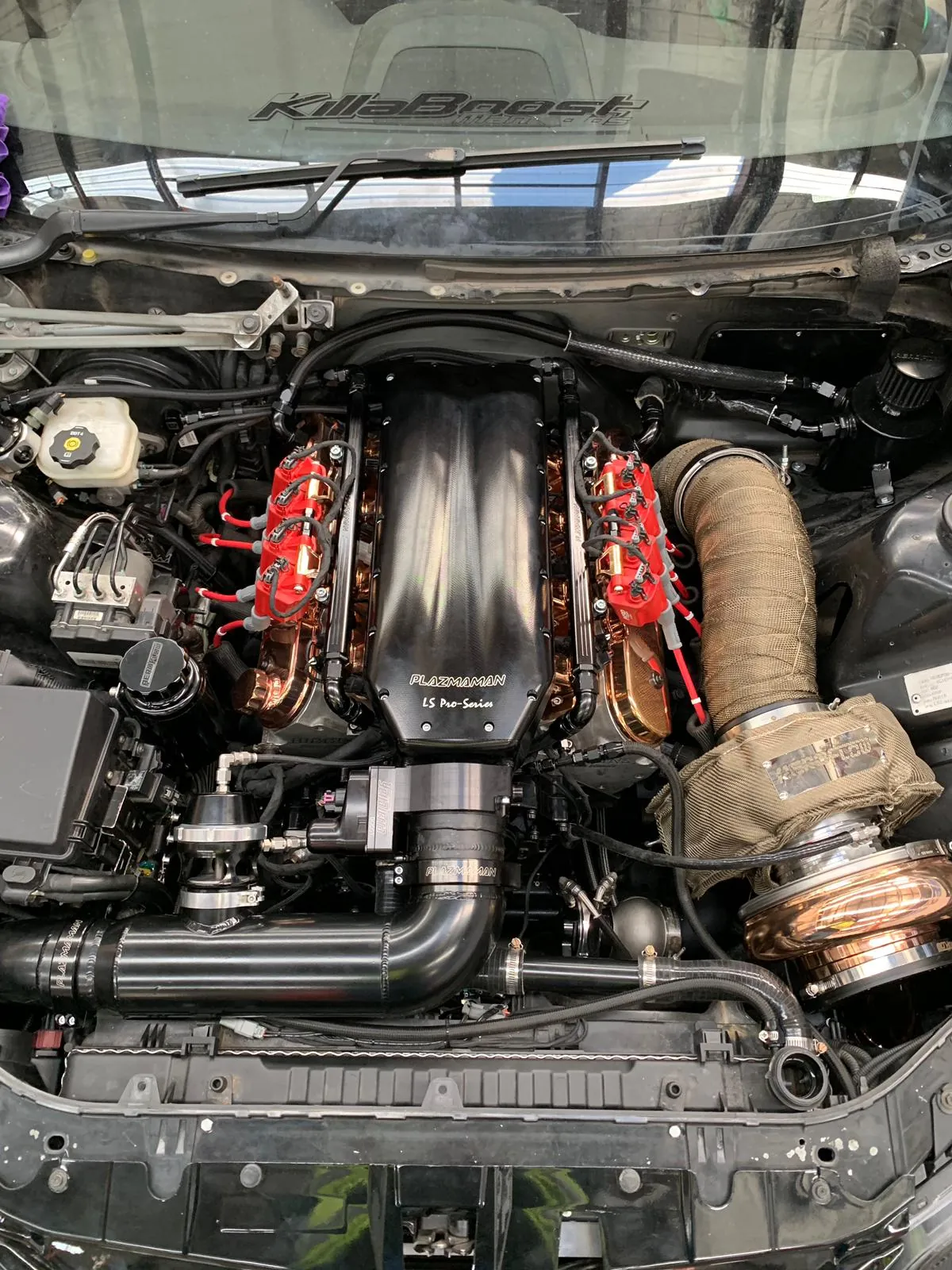
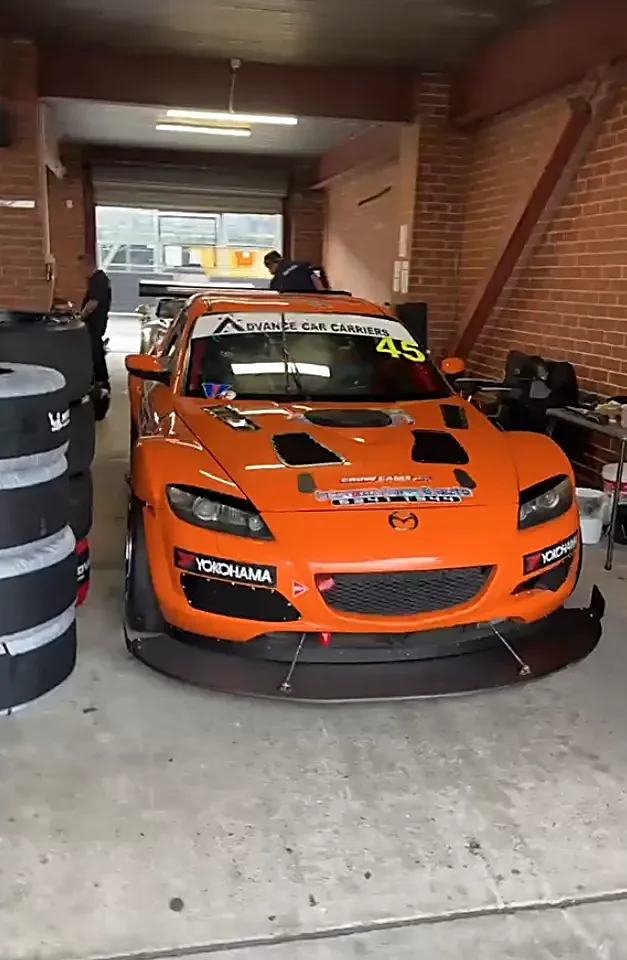
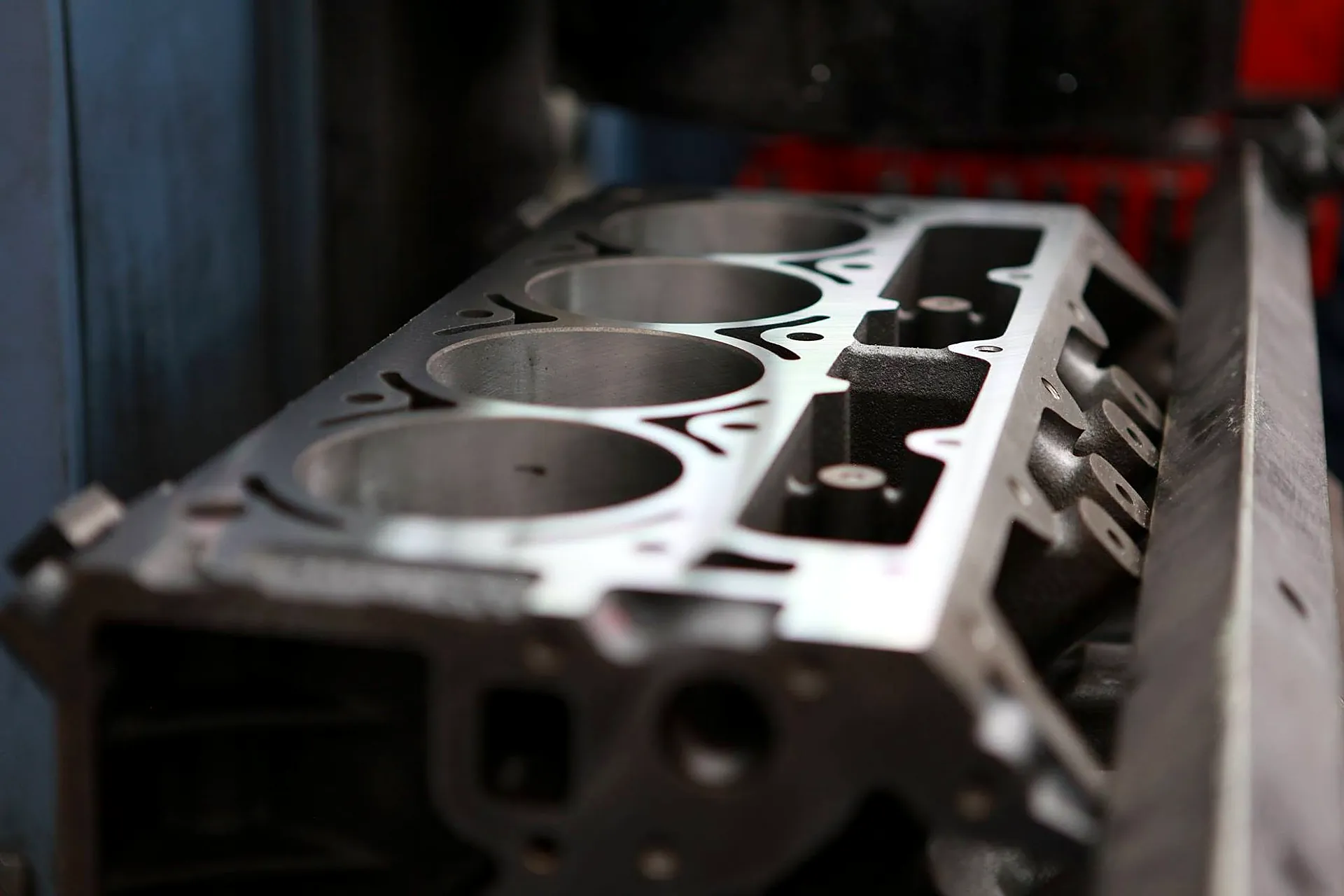
Cylinder head porting, inlet and exhaust manifold fabrication, and rotary rotor housing port work introduce variables that most workshops underestimate. Poor-quality fabrication does not get corrected by tuning — it gets amplified by it.
Hidden Airflow Imbalance
Inconsistent port geometry, uneven weld profiles, or poorly matched transition areas create airflow imbalance between cylinders or rotor faces. This rarely shows up on an early base tune — it surfaces under sustained load through uneven EGT spread, cylinder-specific knock sensitivity, or fuel trim bias toward individual cylinders.
What Imbalance Does Under Load
Non-uniform cylinder filling, uneven charge velocity, and localised combustion temperature spikes all increase the risk of pre-ignition and detonation in specific cylinders — while the engine-wide knock strategy is still operating within its normal window. This is a mechanical problem, not a tuning problem.
Poor fabrication cannot be fully corrected through calibration
In cases where airflow imbalance is severe, compensating through cylinder-specific fuel and ignition adjustments is possible — but it increases calibration complexity and reduces the overall safety margin consistency. If the mechanical preparation is not executed to a high standard, the risk grows with every revision, not shrinks. In extreme cases the risk exceeds what tuning can safely correct for.
What to look for in a fabricator
- Consistent port geometry and surface finish across all cylinders or rotor faces
- Flow-matched ports verified on a flow bench, not approximated by eye
- Clean, full-penetration welds on fabricated manifolds — no porosity, no cold welds
- Accurate runner length and diameter matching to the application and target RPM range
- Thermal expansion considered in fitment — manifolds that distort under heat introduce leaks and pressure variation
- Documentation — a fabricator who can provide measurements and flow data is a fabricator worth working with
Ready to get started?
Register as an approved dealer to access the portal, submit files, and work with us on calibration development for your builds.
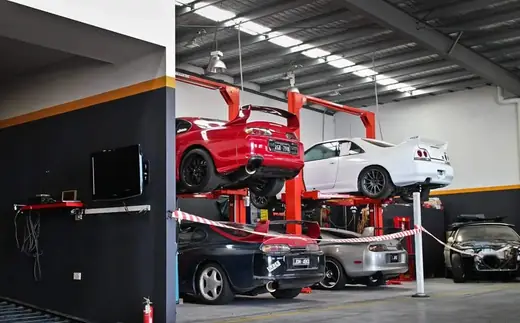
On the hoists
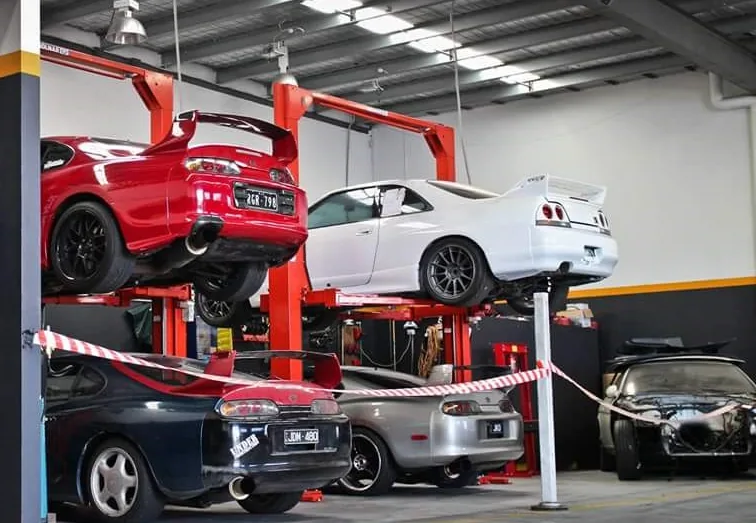
What a working performance shop looks like from the inside.
-
Workshop -
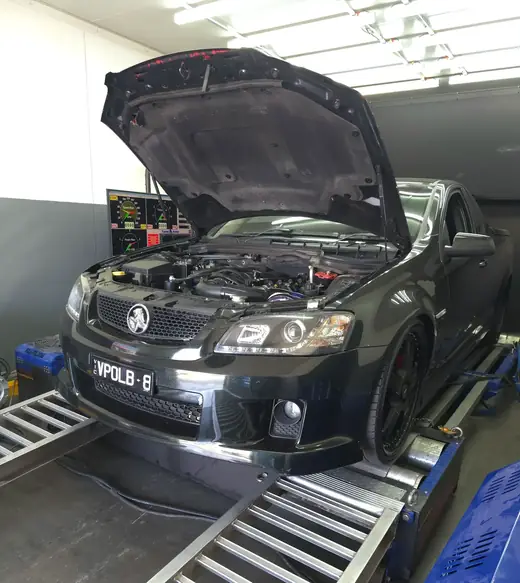
Holden Commodore VE -
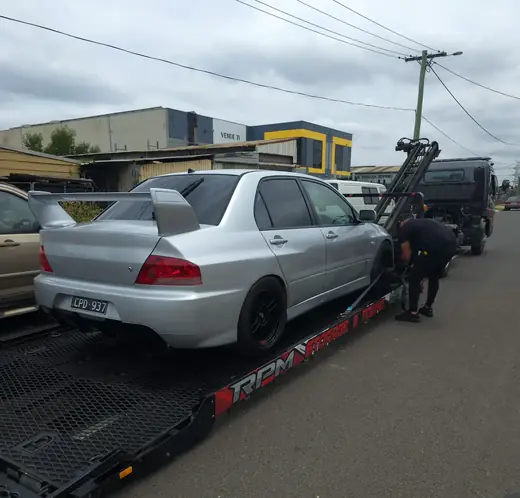
Mitsubishi Evo 7 -
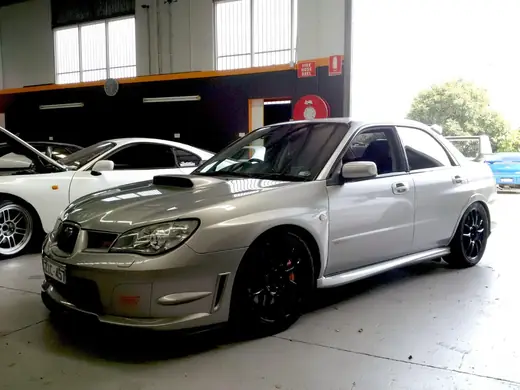
Subaru WRX STI
Photographs from the former Tuned By Anton workshop, 2015–2025. See the full gallery
