
Diesel Tuning Files — Custom ECU Remapping for Off-Road & Competition
Custom diesel tuning files engineered from your vehicle's own ECU file — fuel delivery, boost pressure, torque management and EGT-aware calibration for 4WD, ute, tow and competition builds. Developed, tested and revised from real data.
What Are Diesel Tuning Files?
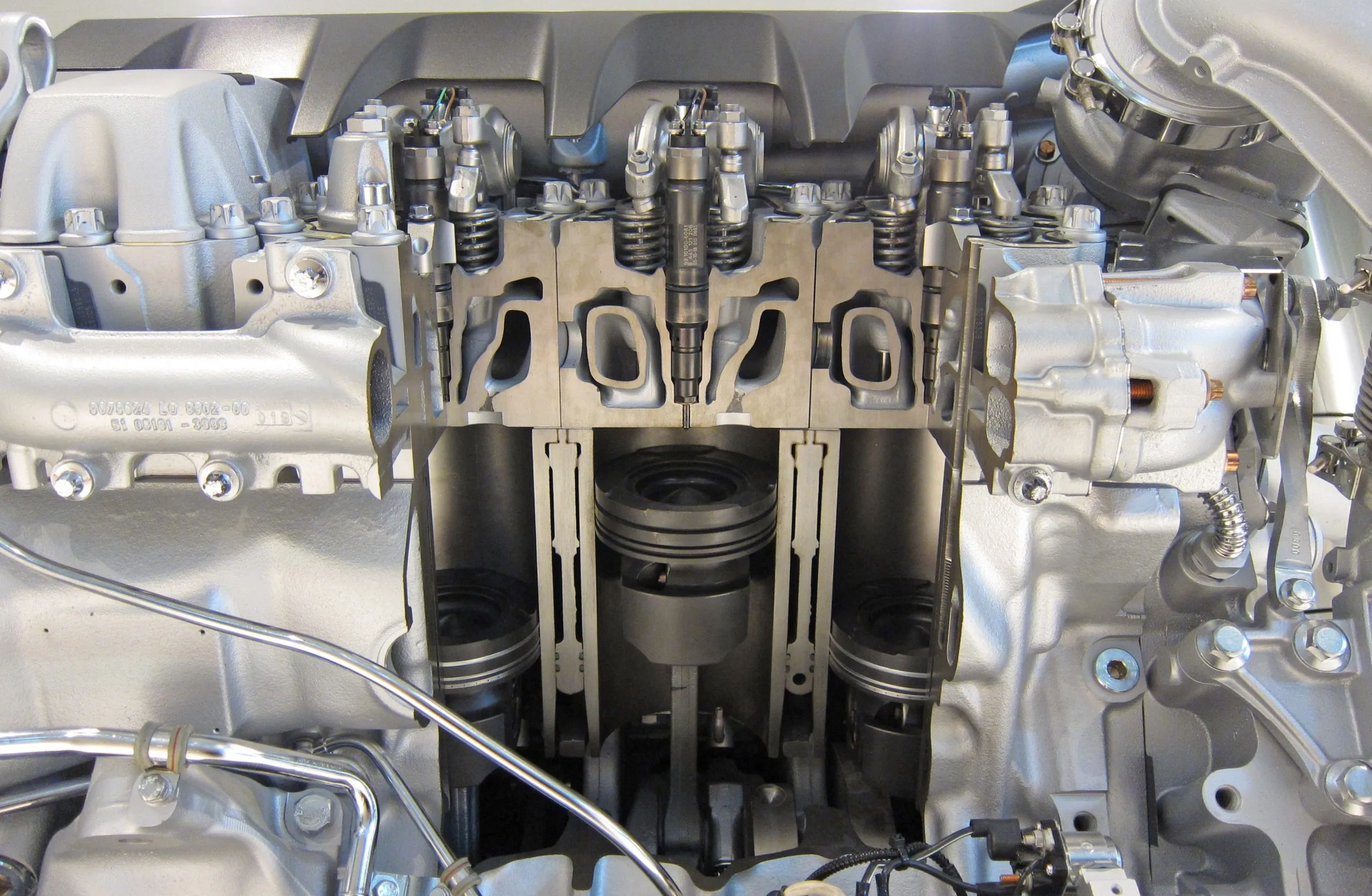
Every modern diesel engine is run by an ECU — a computer holding a calibration: thousands of interlinked maps that decide how much fuel is injected, when, at what rail pressure, how much boost the turbo targets and how much torque the engine is allowed to make. A diesel tuning file is a revised version of that calibration. The stock ECU file is read from the vehicle — usually through the OBD diagnostic port, or directly from the ECU on the bench — the relevant maps are re-engineered, and the finished file is flashed back.
You will hear the same work called diesel ECU remapping, a diesel remap, remap files or — a hold-over from the days when the calibration lived on a replaceable EPROM — diesel chip tuning. Whatever the name, the engineering is identical: it is diesel engine mapping, matched to one vehicle. It is worth separating this from plug-in "chip" boxes that sit between the sensors and the ECU and distort their signals; a proper remap changes the calibration itself, so every factory protection keeps working with accurate data.
Our part of it is the tuning file service: your workshop reads the vehicle's stock ECU file and uploads it through the dealer portal, our calibration engineers build the custom file, and you flash and verify it on the vehicle. The same ECU file service covers petrol platforms too — see ECU tuning files for the full picture.
How Custom ECU Calibration Works for Diesel Engines
A common-rail diesel is a coordinated system — fuel, air and torque are managed together, and the calibration layers sit on top of each other. Custom tuning works every layer, in step:
Fuel delivery & injector timing
Injection quantity, injector timing and rail pressure shaped to the load the vehicle actually sees. Timing decides where in the cycle the energy is released — it moves torque, exhaust gas temperature and smoke all at once, so it is calibrated, never guessed.
Boost pressure & airflow
Turbo boost-pressure targets raised to match the added fuel, so the air is there when the fuel arrives. The fuel-to-air relationship is the difference between strong, clean torque and high EGT with black smoke.
Torque management
Factory torque ceilings, per-gear limits and transmission torque-limit tables raised together, so the gains are usable everywhere and the driveline is respected rather than ambushed.
Thermal & protection strategies
Exhaust gas temperature, smoke limitation and component-protection strategies kept active and recalibrated around the new targets — the protections are part of the tune, not an obstacle to it.
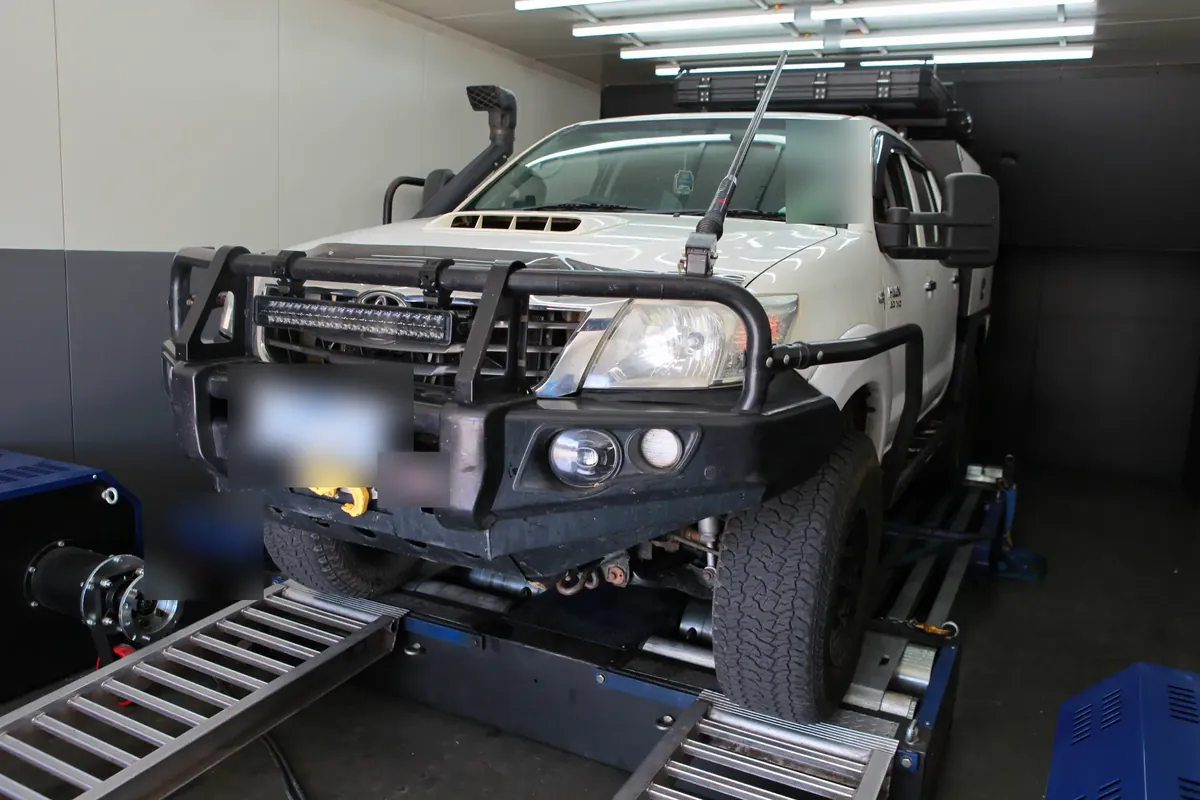
The remapping process itself is disciplined: start from the vehicle's own stock file, change what the goal requires and nothing else, then verify. File flashing back to the ECU happens through the OBD port or on the bench, and the result is proven with dyno tuning where available and logged road data everywhere — boost tracking, fuel delivery, rail pressure and EGT checked against what the calibration intended.
That verification loop is why we run a dedicated datalog review service: the file is not finished when it flashes; it is finished when the logs say it behaves.
Applications in Off-Road and Competition Vehicles
Off-road vehicle preparation and competition vehicle tuning are where custom diesel files earn their keep, because the demands are so different from a suburban commute — and from each other:
Tow & touring 4WDs
Stronger low-down torque and a flatter delivery under load, so the vehicle holds gear and climbs comfortably with the van on. Calibrated for sustained load: EGT margin on long grades matters more than a peak number.
Remote-area touring
Response and economy balanced with tolerance for variable fuel quality, high ambient temperatures and low-speed, high-load work in sand and on tracks — conditions the factory calibration only averages across.
Competition builds
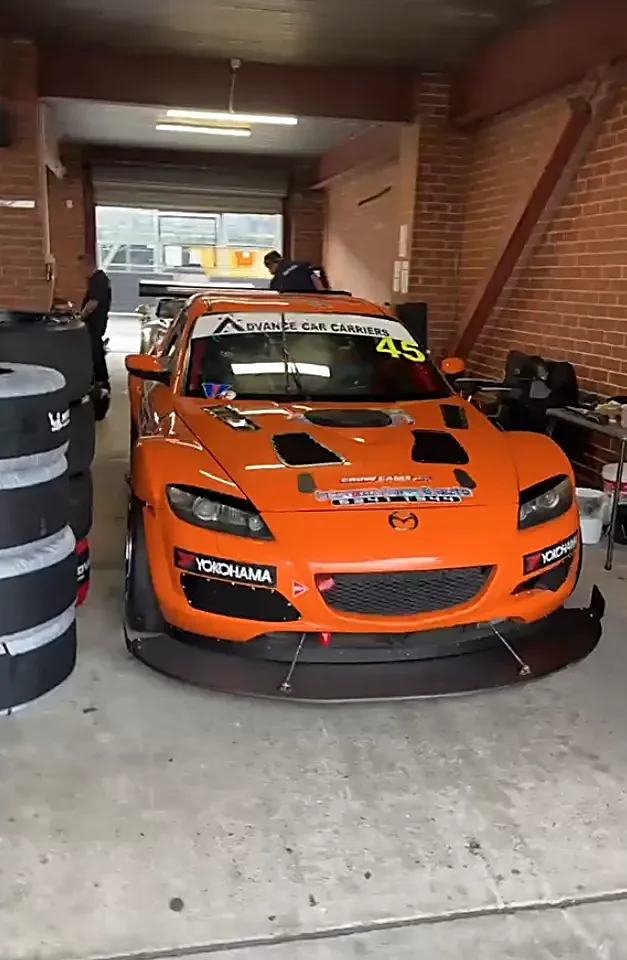
Upgraded turbo, injectors and fuel systems calibrated to their real limits, with per-class constraints respected. Developed on the dyno and revised between events from logged data.
Coverage spans the common-rail platforms the Australian market actually runs. Browse a make for typical gains by model, or confirm your exact variant in the dyno results.
Key Factors That Shape a Diesel Tuning File
Two identical models can need meaningfully different files. These are the inputs that decide what your calibration should look like:
Hardware state
Stock, or upgraded turbo, injectors, intercooler, exhaust? Every hardware change moves the airflow and fuelling ceilings the file must respect — which is why we require an honest hardware declaration with every order.
Duty profile
A tow rig at GCM on long grades, a touring truck on sand, a competition ute between flags — each needs different torque shaping and different thermal margin from the same engine.
Fuel & environment
Fuel quality, ambient temperature and altitude all move the safe calibration window. A file for outback touring carries margin a track file does not need.
Driveline limits
Clutch, transmission and transfer-case ratings cap usable torque regardless of what the engine could make. Torque management is calibrated to the weakest link, not the dyno graph.
ECU platform
Each ECU family exposes different maps, protections and checksum requirements. The file is built for the exact ECU and software version read from your vehicle — one reason generic remap files travel so badly.
Data available
Dyno access and quality data logs raise how far a calibration can be refined. More evidence, better file — it is that direct.
Balancing Performance With Reliability and Safety
Adding fuel to a diesel is easy — that is precisely the problem. Fuel without matching air raises exhaust gas temperature, and sustained high EGT is the primary thermal threat to pistons, the turbo and the exhaust system. Torque delivered too abruptly punishes clutches, gearboxes and head gaskets. Engine reliability is not the opposite of performance; it is a calibration outcome, engineered the same way the power is.
In practice that means the fuel-to-air relationship is managed across the whole operating range, torque is shaped rather than simply raised, factory protection strategies stay active with recalibrated thresholds, and calibration file testing closes the loop: dyno runs and road logs are reviewed against the design intent, and the file is revised until measured fuelling, boost pressure and EGT behave as engineered. A file that only looks strong on a screenshot is not a finished file.
A worked example of what happens when this balance is missed — and how it is diagnosed — is in the problem library: diesel limp mode after tuning. Platform-level detail on a heavy diesel calibration lives on the LandCruiser 1VD-FTV page.
Compliance Considerations for Off-Road and Competition Use
Emissions and compliance considerations are part of diesel calibration engineering, not a footnote to it. A modern diesel's DPF (diesel particulate filter) and EGR (exhaust gas recirculation) strategies are woven through the calibration — fuelling, regeneration and airflow all interact with them — so a competent file is engineered around the emissions system, keeping its strategies coherent with the new targets.
Our position is straightforward. Files are supplied for off-road and competition use. On road-registered vehicles, emissions control hardware must remain fitted and functional, and we do not supply files that disable it for road use — we calibrate to the vehicle's actual, compliant configuration. Competition vehicles are calibrated to the rules of the class they run in. Every file we release is delivered through a gated approval process with a declared-use attestation and an immutable audit record, so the workshop and the vehicle owner both know exactly what was supplied and for what purpose.
What to Expect When Requesting a Custom Tuning File
Identify & read
Check the variant on the vehicle coverage page, then read the stock ECU file from the vehicle — through the OBD diagnostic port or on the bench, depending on the ECU.
Submit with context
Upload the ECU file through the dealer portal with the vehicle details, every hardware change declared, the fuel used and the intended duty — tow, touring or competition. The more honest the context, the better the file.
Calibration engineering
Our engineers build the custom file from your stock read — fuel delivery, injector timing, boost pressure and torque management revised together, protections recalibrated rather than removed.
Flash & verify
The file is returned against your order for flashing. You verify on the vehicle — dyno where available, logged road running always — and confirm delivery, boost and EGT track the intent.
Review & revise
Submit logs through datalog review; the calibration is revised against the evidence, with every revision version-tracked against the order.
Turnaround is typically same-day to a few business days depending on platform and queue; revisions after log review are part of the service, not an extra.
Choosing a Diesel Tuning File Provider
Whoever you buy from — including us — the same questions separate calibration engineering from map-pack retailing. Ask them all:
Is the file custom, and can they show it?
Built from your vehicle's own stock read and hardware declaration, or a generic file matched by model? Ask what evidence of development they can show for your platform — dyno development, logged verification, worked examples.
Is revision part of the service?
A serious provider expects to see logs after delivery and revises the calibration against them. If the transaction ends at the download link, the testing is being outsourced to your engine.
What happens to protections?
Ask specifically whether torque management, thermal protection and smoke limitation stay active. "We remove the restrictions" is a warning sign, not a feature.
Where do they stand on compliance?
A provider who will say plainly what they will and will not supply — and puts it in writing — is telling you how they will treat your business when something goes wrong.
Common Myths About Diesel Tuning Files
"More fuel is more power."
Fuel is only half the equation. Without matching boost pressure and airflow, extra fuel becomes exhaust gas temperature and smoke, not torque. The gains in a proper diesel remap come from coordinating fuel and air — the fuel map alone is the bluntest tool in the file.
"A chip box does the same job."
Plug-in diesel chip tuning modules distort sensor signals so the ECU fuels harder while believing conditions are stock — every factory protection is now reasoning from false data. A remap changes the calibration itself, so the ECU controls the engine with accurate information.
"One good file suits every vehicle of that model."
Hardware state, fuel, climate and duty differ vehicle to vehicle, and ECU software versions differ within one model year. That is why the remapping process starts from your vehicle's own file — file remap work is matched, not mass-produced.
"Tuning inevitably shortens engine life."
A careless file can. A calibration that respects EGT margins, shapes torque for the driveline and is verified with calibration file testing preserves the engine's protection logic — engine reliability is engineered into the file, and the logs prove it.
"The dyno figure is the result."
A peak number is one point on one curve on one day. Delivery shape, EGT under sustained load and behaviour at altitude and temperature matter more in the real world — which is why verification is logging, not a screenshot.
"Economy tunes are a myth."
Calibrated torque that lets a loaded vehicle hold higher gears at lower engine speed can genuinely reduce fuel burn for that duty. What is a myth is a guaranteed percentage — economy outcomes depend on the vehicle, the load and the right foot.
Diesel Tuning Files — Your Questions Answered
What is a diesel tuning file?
A diesel tuning file is a revised version of the calibration data stored in the engine's ECU. The stock ECU file is read from the vehicle — usually through the OBD diagnostic port — and the maps controlling fuel delivery, injector timing, rail pressure, boost pressure and torque management are re-engineered for the vehicle's hardware and intended use, then flashed back to the ECU.
How do diesel tuning files improve performance?
A custom diesel remap coordinates fuel and air together: injection quantity and timing are reshaped with matching boost-pressure targets, and factory torque limiters are raised in step. Done properly this lifts torque and throttle response across the rev range while keeping exhaust gas temperature and smoke under control — the gains come from calibration engineering, not simply adding fuel.
Are diesel tuning files suitable for off-road and competition vehicles?
Yes — off-road vehicle preparation and competition vehicle tuning are the primary applications. Touring 4WDs, tow rigs and race builds each need different torque delivery, thermal margins and driveline protection, which is exactly what a custom calibration provides. Our files are supplied for off-road and competition use.
What's the difference between a stock ECU file and a custom tuning file?
The stock ECU file is the manufacturer's compromise calibration — built for every market, fuel grade and service condition worldwide. A custom tuning file starts from that same file but is re-engineered for one specific vehicle: its actual hardware, fuel, climate and duty. The structure is identical; the calibration values are matched to the vehicle instead of averaged across a fleet.
How is a diesel tuning file created and tested?
The remapping process starts with the vehicle's own stock file read and a hardware declaration. A calibration engineer revises the fuel, boost and torque strategies, and the file is verified against the vehicle — dyno tuning where available, plus logged road data. Calibration file testing continues after delivery: data logs are reviewed through datalog review and the file is revised until fuelling, boost and exhaust gas temperature behave as designed.
Can a poorly matched tuning file damage an engine?
Yes. Over-fuelling without matching air raises exhaust gas temperature, aggressive torque delivery can overload clutches, transmissions and head gaskets, and a generic file flashed to mismatched hardware can push injectors or the turbo outside their working range. This is why a custom file built from the vehicle's own data — and verified with logging — matters more than the size of the advertised gain.
Do diesel tuning files affect emissions systems like the DPF or EGR?
A diesel calibration interacts with the DPF and EGR strategies, so it must be engineered around them. On road-registered vehicles, emissions control hardware must remain fitted and functional, and we do not supply files that disable it for road use. Files are supplied for off-road and competition vehicles, and are calibrated to the vehicle's actual, compliant configuration.
How often should a diesel tuning file be reviewed or updated?
Review the calibration whenever the hardware changes (turbo, injectors, intercooler, exhaust), when the vehicle's duty changes (heavier towing, competition use), or when data logs show drift — rising exhaust gas temperature, boost deviation or fuel-trim movement. Otherwise a healthy file does not expire; a periodic log check with the seasons is good practice on hard-worked vehicles.
What information is needed before requesting a custom diesel tuning file?
The exact vehicle variant (year, engine code, transmission), the ECU type, a full read of the stock ECU file, an honest declaration of every hardware change, the fuel used, and the vehicle's intended use — tow, touring or competition. Data logs from the vehicle are the most valuable input of all: they let the calibration be built for the engine as it actually runs.
Tuning diesel 4WDs and utes?
Register your workshop to submit stock reads and have custom diesel tuning files engineered, tested and revised around your data.
The diesels
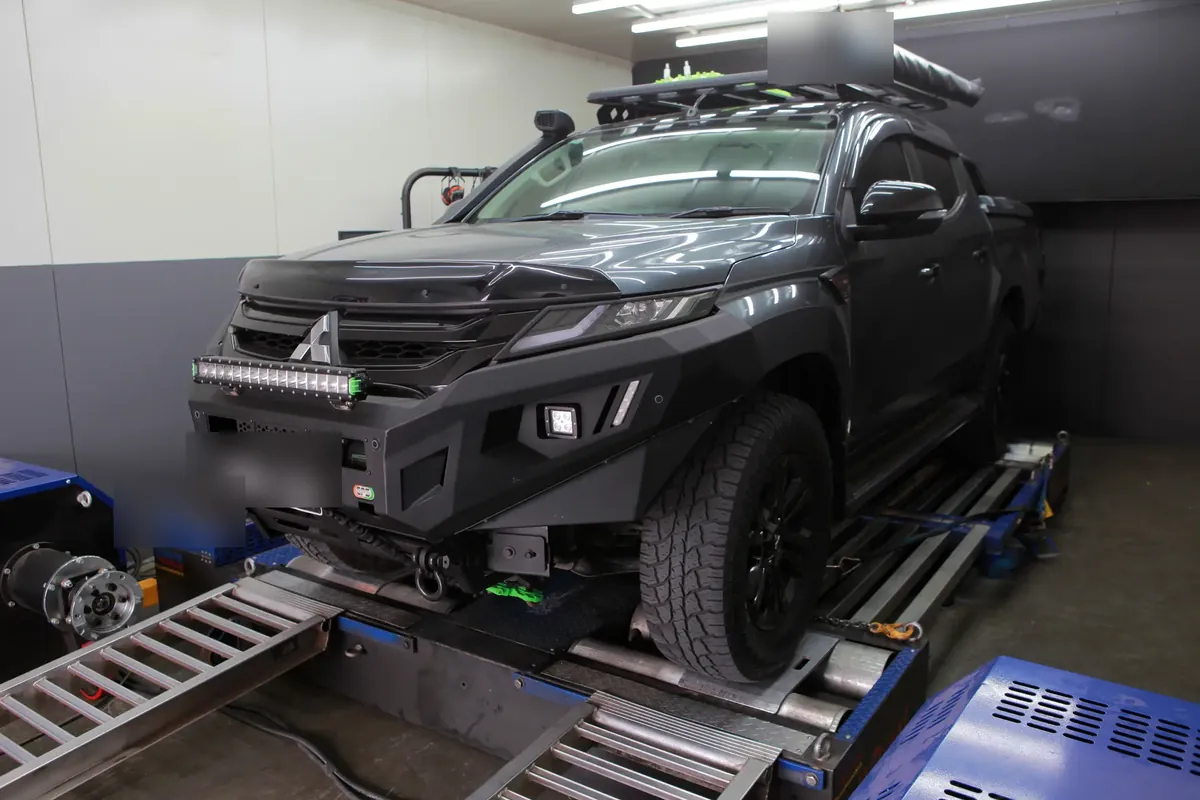
Utes, wagons and 4WDs — the bulk of Australian diesel calibration work, and the bulk of the diesels photographed here.
-
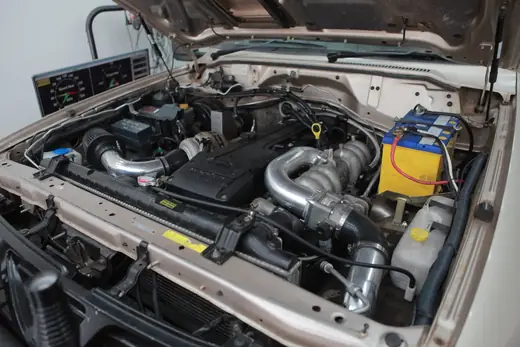
Nissan Patrol -
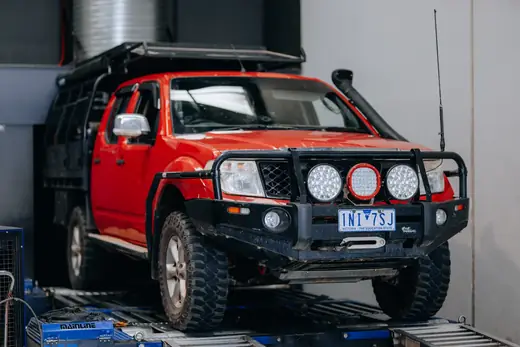
Nissan Navara D40 -
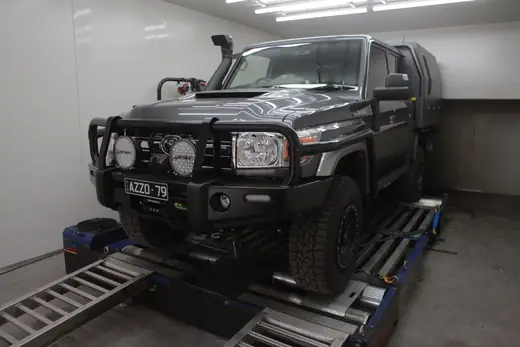
Toyota LandCruiser 70 Series -
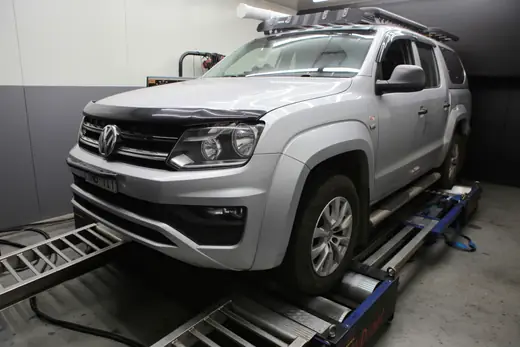
Volkswagen Amarok
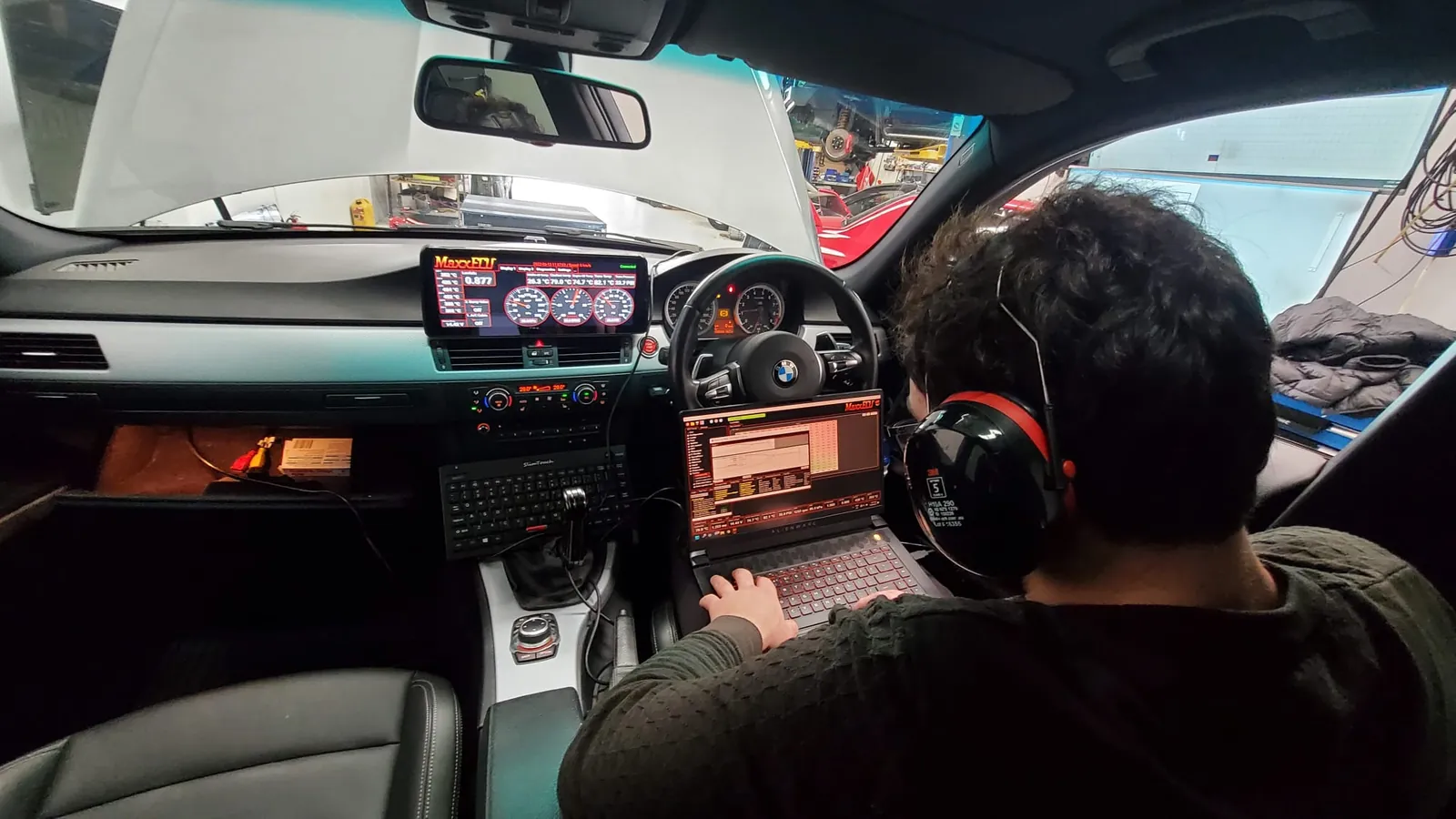
Photographs from the former Tuned By Anton workshop, 2015–2025. See the full gallery
