
How to Price Your Tuning Services
A tuning menu that holds margin starts with knowing the cost stack behind every tune — then pricing on the result, not the file. Here is how to structure your pricing, where the wholesale calibration fits, and the mistakes that quietly bleed profit.
Price on the value of the result, not cost-plus on the file. Build your retail price from the cost stack — the wholesale calibration, your labour, dyno or road time and overhead — then add the margin your result and reputation support. Charge separately for custom dyno work versus an off-the-shelf flash, build a defined revision window into the initial price, and never let a cheaper generic file set your number. A validated, supported tune is a different product to a $50 emailed map — price and present it as one.
The cost stack behind every tune
You cannot price what you cannot see. Before you set a single menu price, break a tune into the costs that actually make it up. Your retail price has to cover all of these — and then leave a margin worth doing the work for.
| Cost component | What it covers | Who sets it |
|---|---|---|
| Wholesale calibration | The engineered, validated file — developed and signed off against your logs | Your calibration partner |
| Your labour | Reading the ECU/TCU, fitting, road or dyno time, delivery and handover | Your shop rate |
| Dyno time | Cell time and operator for load testing and verification, where used | Your dyno rate |
| Shop overhead | Premises, equipment, software, insurance — apportioned per job | Your business |
| Margin | Your profit — what the result, validation and support are worth | You |
The wholesale calibration is one line in this stack — not your price. Your number is the whole stack plus margin.
Three ways to structure your pricing
| Model | How it works | Best for |
|---|---|---|
| Flat per stage Simple | Fixed price for a defined Stage 1 / Stage 2 outcome on a known platform | High-volume, repeatable platforms and bolt-on packages |
| Custom (hourly + dyno) | Shop and dyno time billed for bespoke development on a modified build | One-off builds, big power, anything off the shelf doesn't cover |
| Package / bundle | Tune bundled with parts, fitting or a service — sold as one outcome | Workshops selling the whole build, not just the file |
Most workshops run a blend: flat pricing for the common, well-understood jobs that keep the bays moving, and custom pricing for the builds that genuinely need bespoke development. The mistake is pricing a bespoke build like an off-the-shelf flash — you give away the hours that make it safe.
Don't compete on the file — compete on the result
Sell the validation
A tune verified against real logs before sign-off is worth more than an emailed map — because it protects the customer's engine and your name. Charge for that.
Sell the support
The revision window, the follow-up, the workshop standing behind the car. Generic file sellers don't offer it — so it isn't the same product, and shouldn't be the same price.
Sell the outcome
Customers buy a result — drivability, response, a reliable gain — not a file. Price the outcome you deliver, and the cheapest map in the inbox stops being your competitor.
One tune is the start of the relationship
The first tune is rarely the last transaction. The customer comes back for the next modification, a fuel change, a re-tune after a build, the upgrade two seasons later — and they send their friends. Price the first job to be fair and profitable, deliver a result they trust, and the lifetime value of that customer dwarfs the margin on a single file. Build a defined revision window into the initial price so the calibration is confirmed stable — then treat genuinely new work as new work, not a free revision forever.
Pricing mistakes that quietly kill profit
Racing the cheapest file
Matching a $50 emailed map drags you into a market you can't win and don't want. Compete on the engineered result, not the lowest number.
Not charging for dyno time
Cell time and operator hours are real cost. Folding them into a flat price on a bespoke build gives away the very hours that make the tune safe.
Free revisions forever
A defined revision window is validation. Open-ended free changes turn every new modification into unpaid work. Scope it, then charge for new jobs.
Pricing custom like off-the-shelf
A one-off build needs bespoke development hours. Price it like a known-platform flash and you lose money on exactly the jobs that should earn most.
Lock in the calibration, set your own price
We supply the engineered, validated file at a wholesale per-calibration cost — you set the retail price and keep the margin. Apply for workshop access to start. Accounts are manually reviewed; retail enquiries are not accepted.
What the work looks like
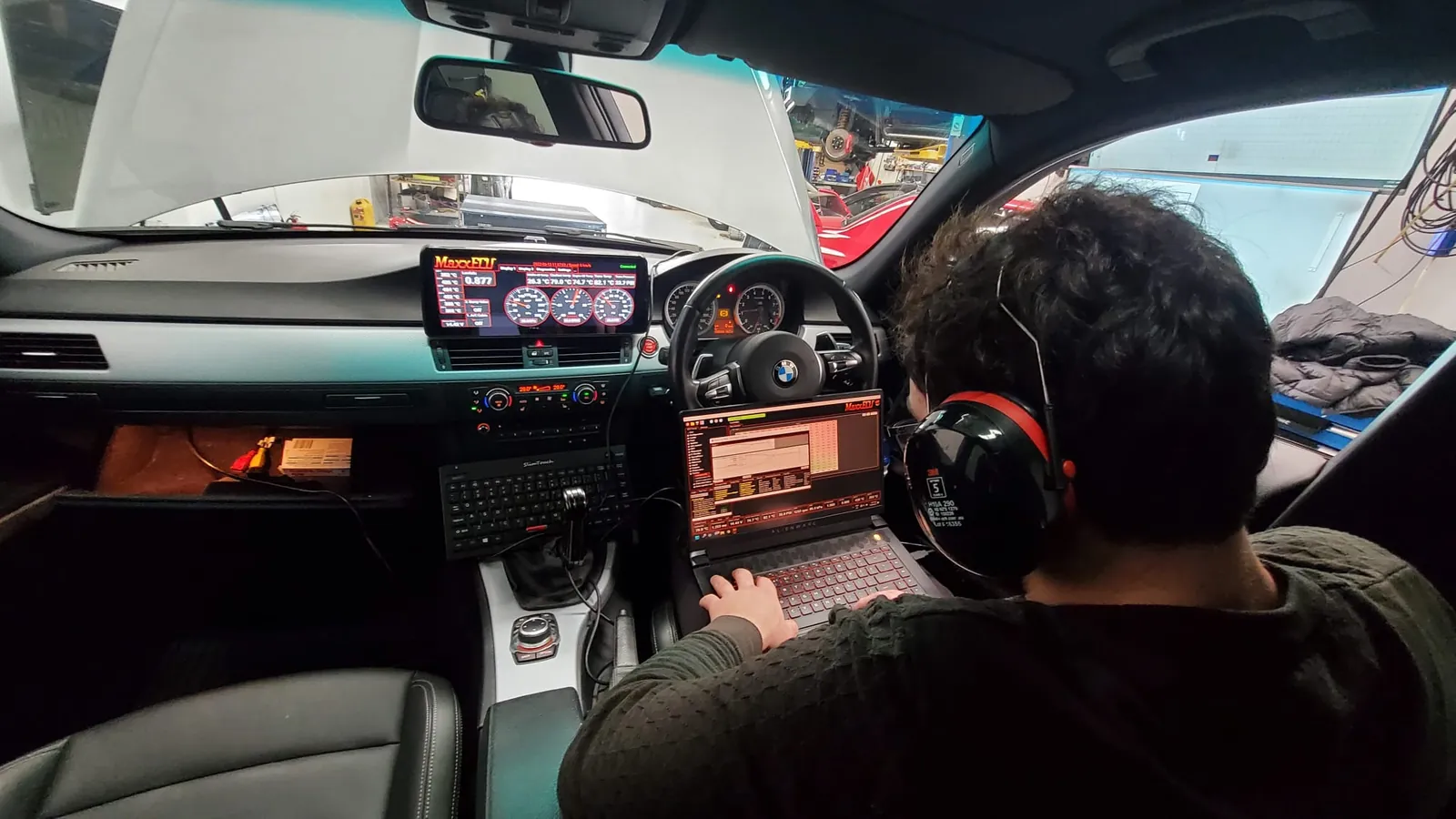
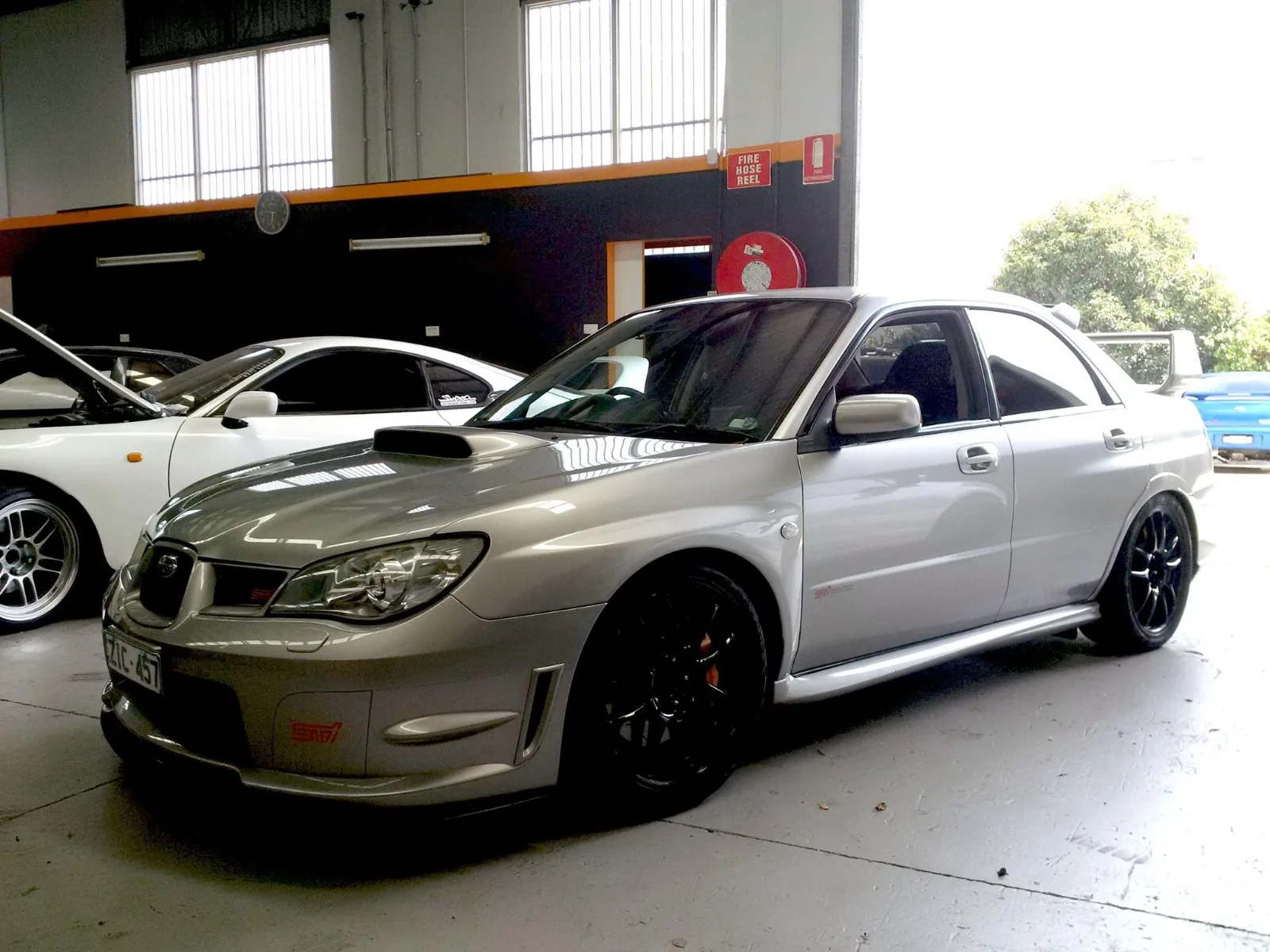
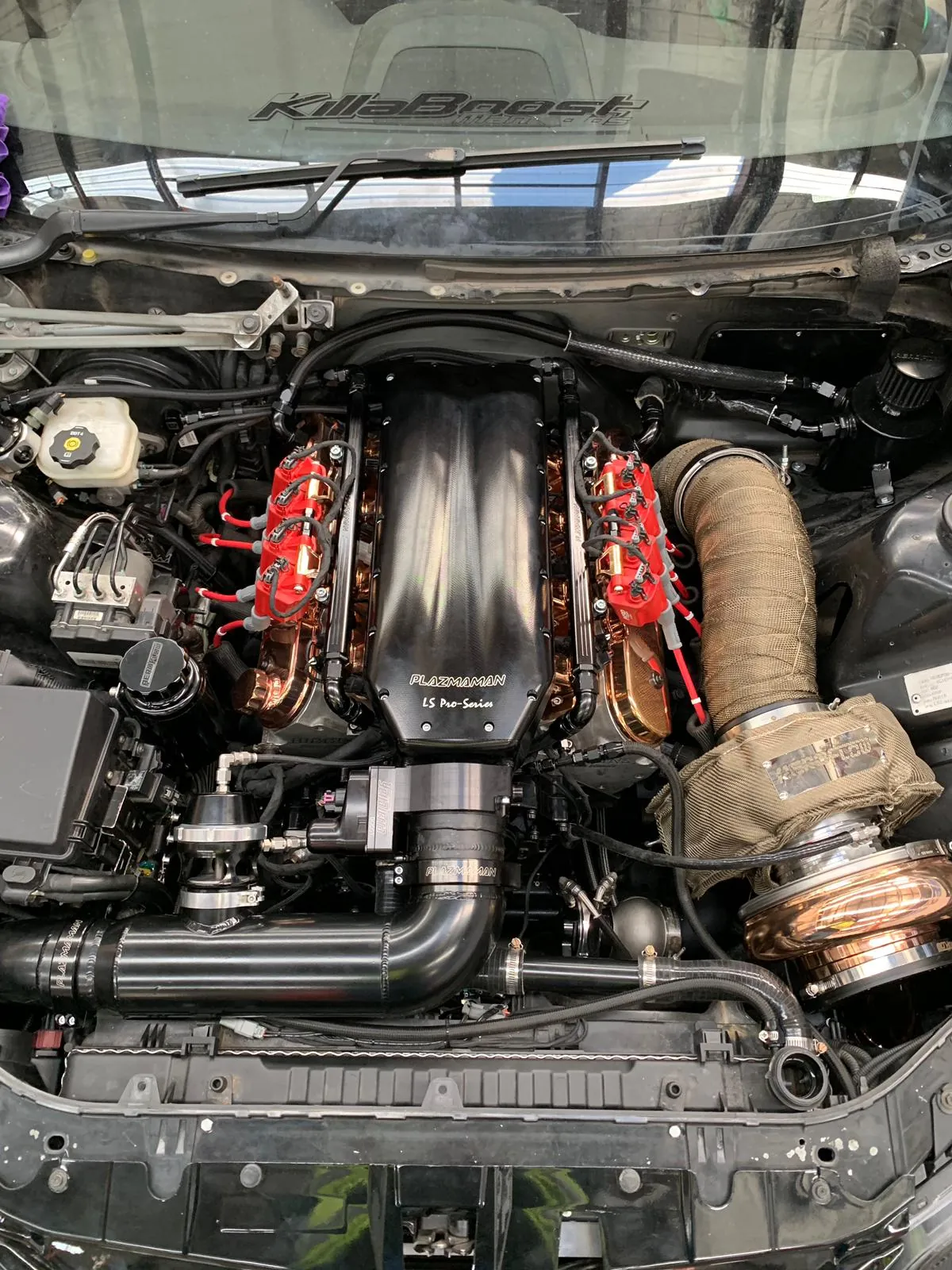
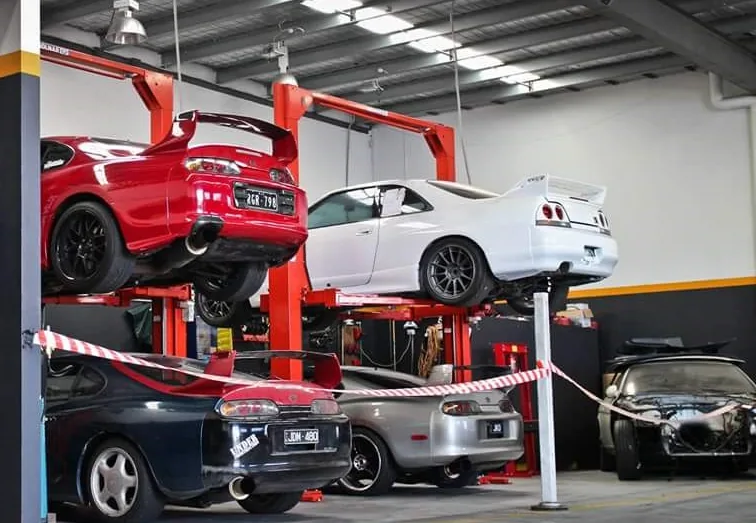
Pricing a tuning service is easier with the work in front of you.
-
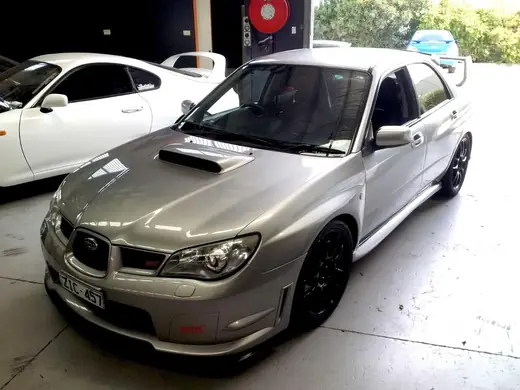
Subaru WRX STI -
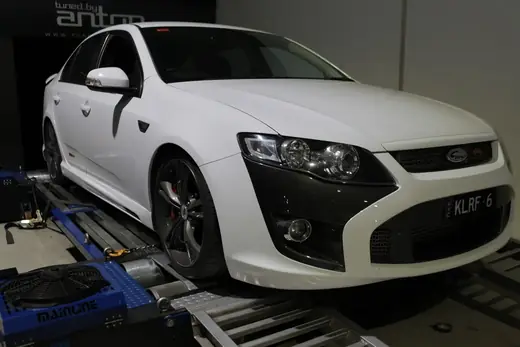
Ford Falcon F6 -
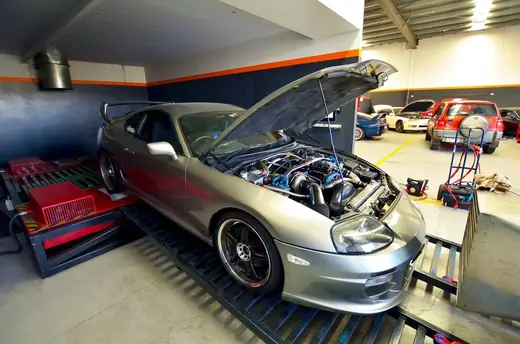
Toyota Supra -
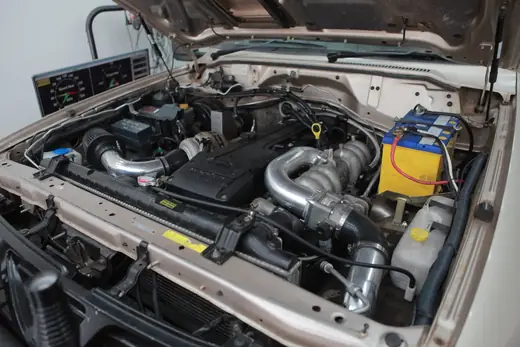
Nissan Patrol
Photographs from the former Tuned By Anton workshop, 2015–2025. See the full gallery
