
Outsource Calibration or Hire a Tuner?
The honest cost, risk and coverage comparison for a workshop deciding whether to put a calibrator on the payroll or outsource the engineering. Most shops get this decision backwards — here is the framework that fits your actual job flow.
Outsource the calibration until tuning is a daily, multi-bay operation. A full-time tuner is a fixed salaried cost — with on-costs, equipment, training and key-person risk — that you pay whether the work is there or not. Outsourcing converts that to a per-calibration cost that only applies when you have a paying customer, and gives you multi-platform coverage and an engineering department on call from day one. Hire in-house once consistent daily volume on one or two platforms justifies the salary — and keep an outsourced partner for overflow, leave and unfamiliar platforms.
The real cost of an in-house tuner
The salary is the number everyone quotes. It is rarely the number that hurts. A calibrator you can trust on a customer's engine is a senior hire, and the true cost is everything that sits around the wage:
Salary + on-costs
Wage, super, leave, insurance and the recruiting cost to find someone genuinely capable — paid every week, busy or not.
Tooling & licences
Per-platform software, credits, a dyno that earns its keep, and the licences to flash each ECU family you take on.
Ramp-up & downtime
Months before a new tuner is safe and fast on your mix of cars — and idle pay on the weeks the tuning work doesn't come in.
Key-person risk
One person's knowledge walks out the door on leave, sick days, or the day they resign — and the tuning line stops with them.
Platform gaps
No single tuner is strong on every ECU, TCU, marque and fuel. The cars outside their comfort zone still get turned away.
Liability
A stretched or junior calibrator on a customer's engine is your reputation — and your warranty exposure — on the line.
What outsourced calibration gives you
A cost that follows the work
You pay per calibration, only when a paying job is in. No idle salary, no fixed overhead in a quiet month — the cost scales exactly with your job flow.
Every platform from day one
ECU and TCU work across many platforms and marques immediately — not one person's specialty. You stop turning away the cars outside a single tuner's lane.
Validation behind your name
Every file is developed and verified against your logs before sign-off. The engineering loop exists precisely so a calibration doesn't come back on your workshop.
Scale up and down freely
Take on a busy month or a tricky build without a hiring decision. Cover overflow, leave, or a platform your team doesn't run — without carrying the cost full-time.
In-house tuner vs outsourced calibration
| Factor | In-house tuner | Outsourced calibration |
|---|---|---|
| Upfront cost | Recruiting, tooling, dyno, licences High | None — start submitting files Low |
| Ongoing cost | Fixed salary, busy or quiet Fixed | Per calibration, only on paid jobs Variable |
| Platform coverage | One person's specialties | Many platforms from day one Broad |
| Time to offer tuning | Months to hire + ramp up | As soon as your account is approved Fast |
| Scaling | Hire again to grow | Flex up and down with job flow |
| Key-person risk | Leave/illness/resignation stops work High | Continuity independent of one person Low |
| Quality control | As consistent as that one tuner | Validated against logs before sign-off |
| Best for | Daily, high-volume, one or two platforms | Most workshops adding a tuning line |
Cost and coverage are directional — the right call depends on your actual weekly tuning volume and platform mix.
When each one is actually the right call
Hire in-house when…
- Tuning is a daily, repeatable part of your week — not occasional
- Your work is concentrated on one or two platforms a single tuner can master
- You want the calibration IP, the turnaround and the dyno time fully in-house
- The volume genuinely keeps a salaried calibrator busy and paid
Outsource when…
- You're adding tuning as a revenue line and proving the demand
- You see a wide spread of marques, ECUs, TCUs and fuels
- You want zero fixed cost and no hiring risk while you scale
- You need coverage for overflow, leave, or platforms your team doesn't run
Most workshops should do both — in sequence
The lowest-risk way to build a tuning business is to start outsourced, prove the revenue, then hire once the volume is real and predictable. Even then, the best-run shops keep an outsourced calibration partner on call — for the overflow weeks, the staff leave, and the odd platform their in-house tuner doesn't run. You get the revenue now and the option to bring it in-house later, without betting a salary on demand you haven't proven yet.
Add tuning without the hiring risk
Apply for workshop access and start submitting files — you keep the customer and the dyno, we develop and validate the calibration. Accounts are manually reviewed; retail enquiries are not accepted.
Either way, this is the job
In-house or outsourced, the car on the hoist does not change.
-
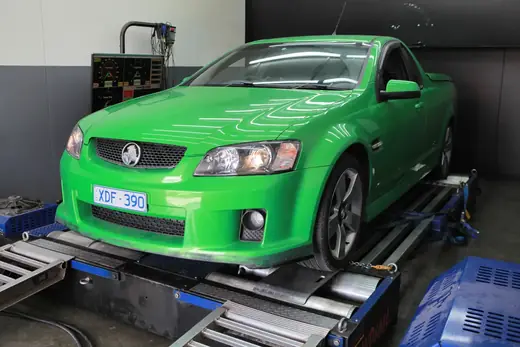
Holden Commodore VE -
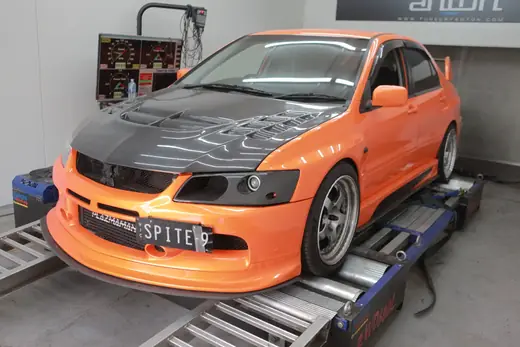
Mitsubishi Evo 9 -
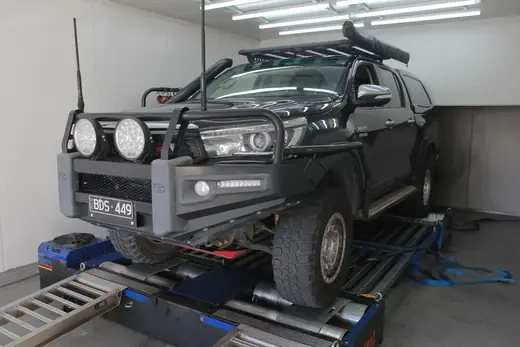
Toyota HiLux -

Nissan GT-R
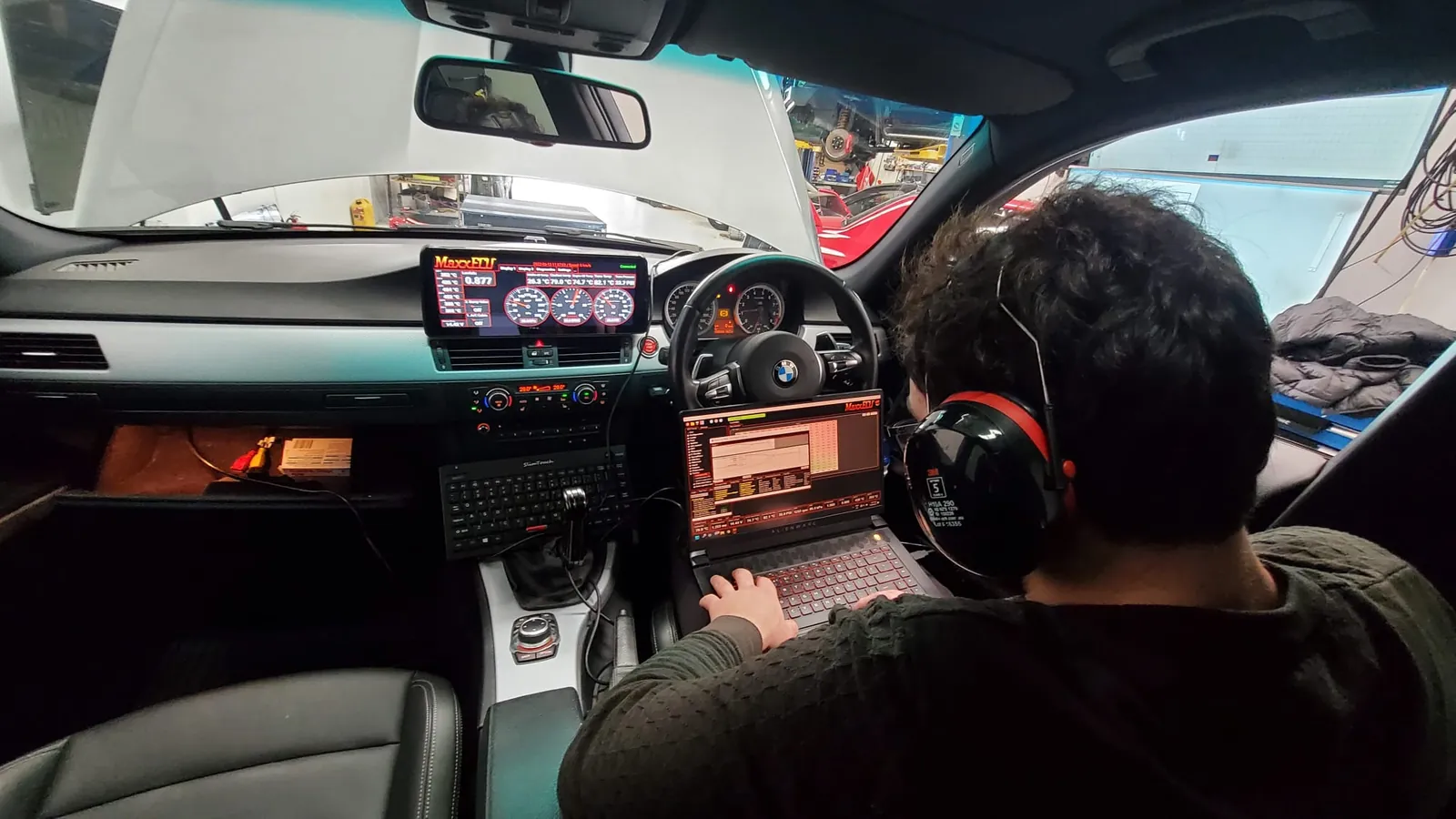
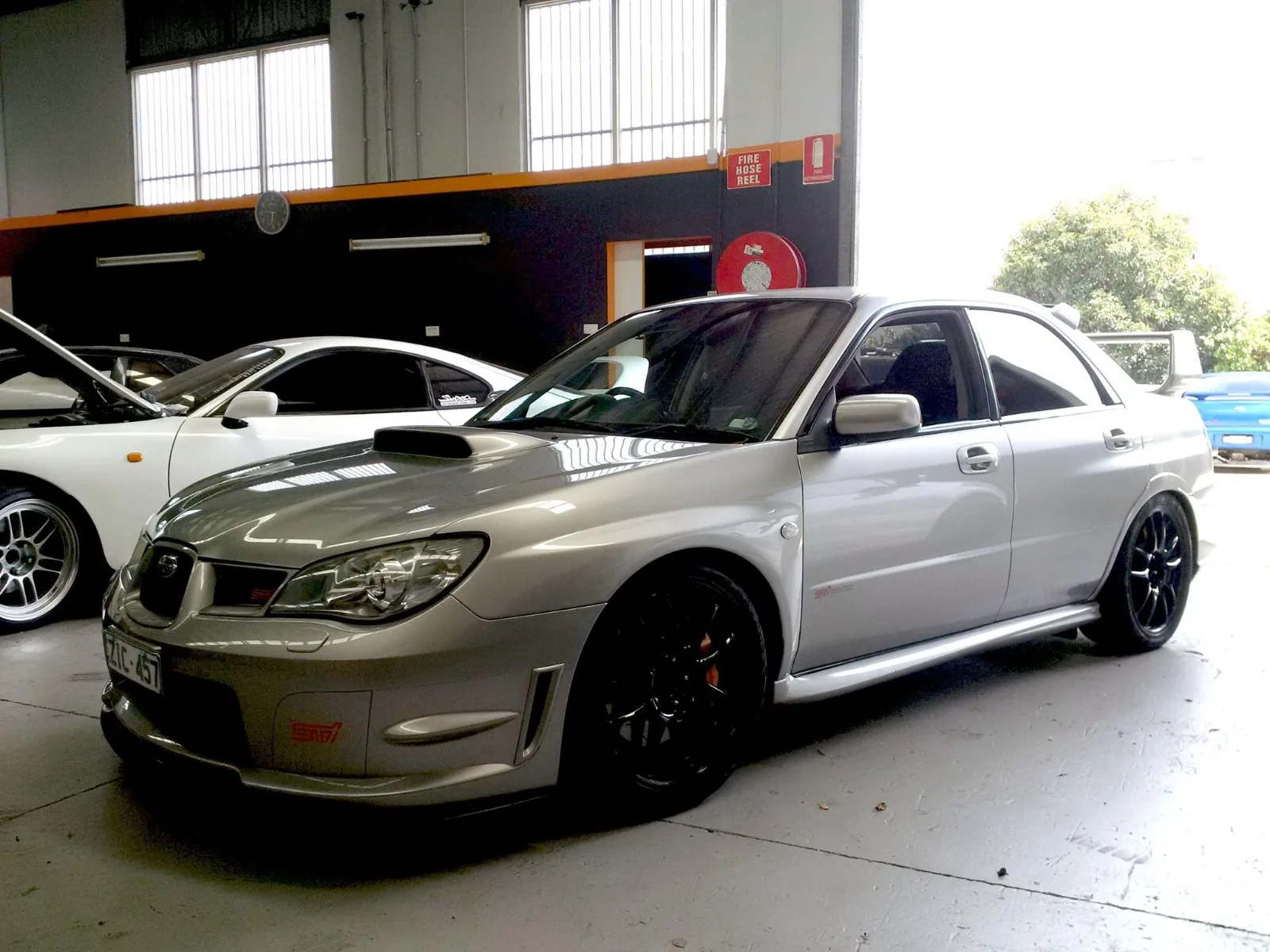
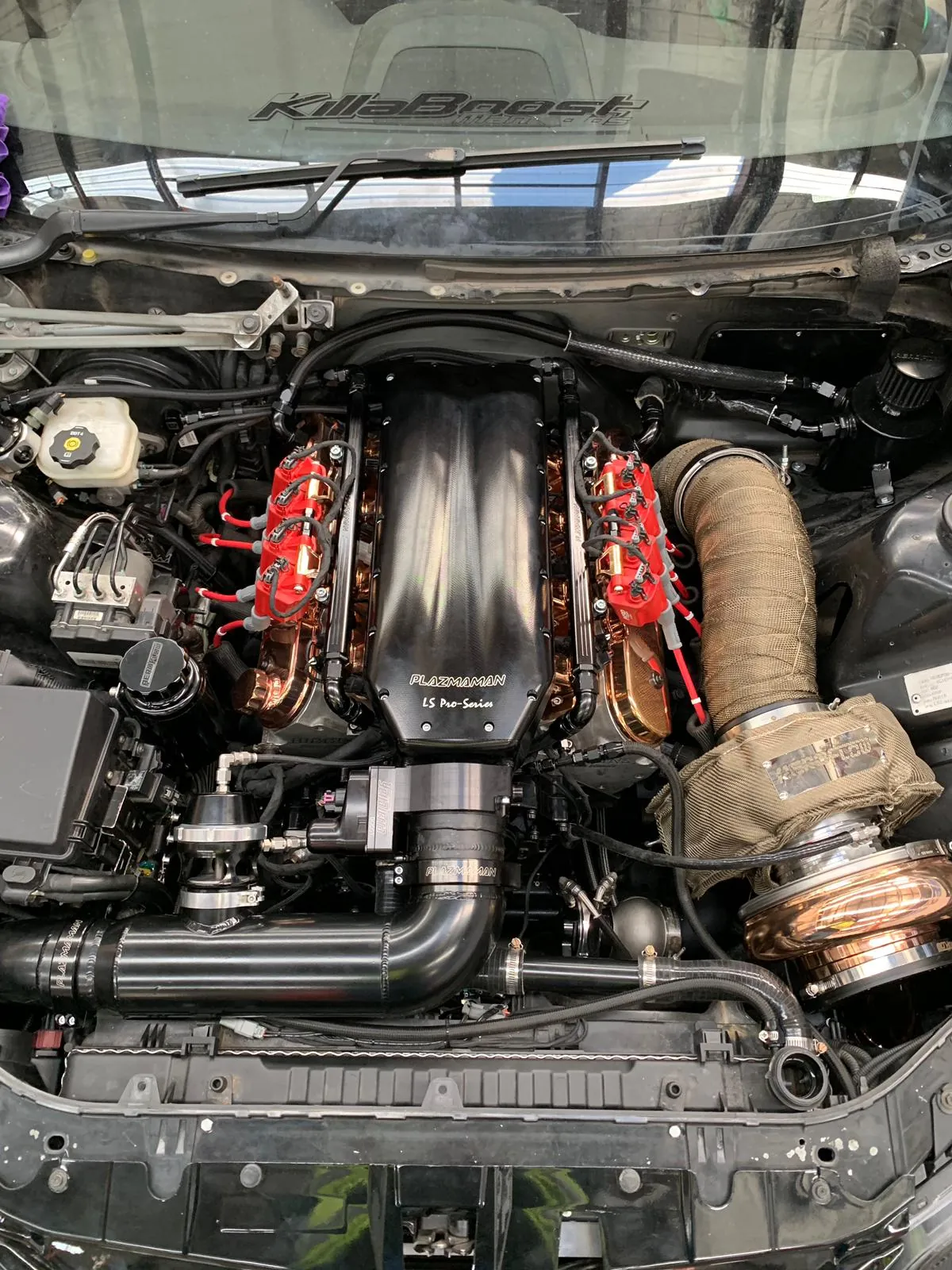
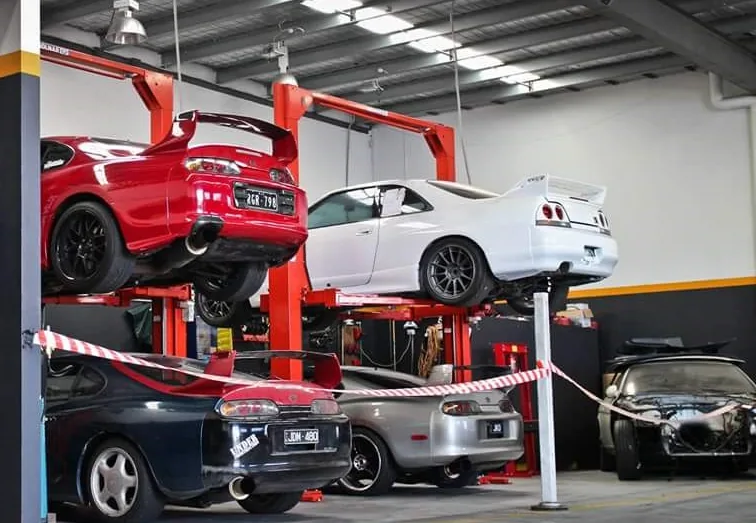
Photographs from the former Tuned By Anton workshop, 2015–2025. See the full gallery
