
Subaru FA20DIT (WRX) Tuning & Calibration
The VA WRX's FA20DIT is a direct-injected, twin-scroll flat-four that responds well to calibration — provided knock feedback and cam timing are treated as the same problem rather than two.
Subaru FA20DIT 2.0L Turbocharged Direct-Injection Flat-Four (VA WRX)
The Subaru FA20DIT (2015–2021 VA WRX) is calibrated on EcuTek, focused on twin-scroll boost control, AVCS intake and exhaust cam timing, knock management read from Subaru's own feedback correction, and direct-injection fuelling. Every file is developed from the stock read and validated against logged boost, knock correction and fuel pressure before sign-off.
What the Subaru FA20DIT (WRX) needs from a calibration
The FA20DIT is a 2.0-litre turbocharged flat-four with direct injection and a twin-scroll turbocharger — a different engine from both the naturally aspirated FA20D in the 86/BRZ and the EJ257 it replaced in the WRX. The twin-scroll housing keeps the exhaust pulses of the two cylinder pairs separated until the turbine, which is why it builds boost earlier than its capacity suggests and why boost control has to be shaped around a fast responding turbine rather than a lazy one.
Knock management is the axis that decides how good the calibration is. Subaru's ECU reports its own knock feedback and a long-term multiplier that shows how much of the mapped advance the engine is actually accepting — which means the platform tells you, in its own data, whether a timing map is honest. A file that looks strong on a dyno but sits with the multiplier backed off is borrowing timing it will not keep on a hot day. Timing is advanced only to the point that feedback stays clean on the fuel the car actually runs.
Direct injection alone is the other defining trait. There is no port injector washing the back of the intake valve, so deposits accumulate over distance and a high-kilometre example may not respond like a fresh one — worth establishing before a calibration is blamed for it. Fuelling is set against logged high-pressure fuel-rail data rather than assumed, and where ethanol content is in play the fuel system's real delivery ceiling sets the target, not the map.
Subaru FA20DIT (WRX) calibration work
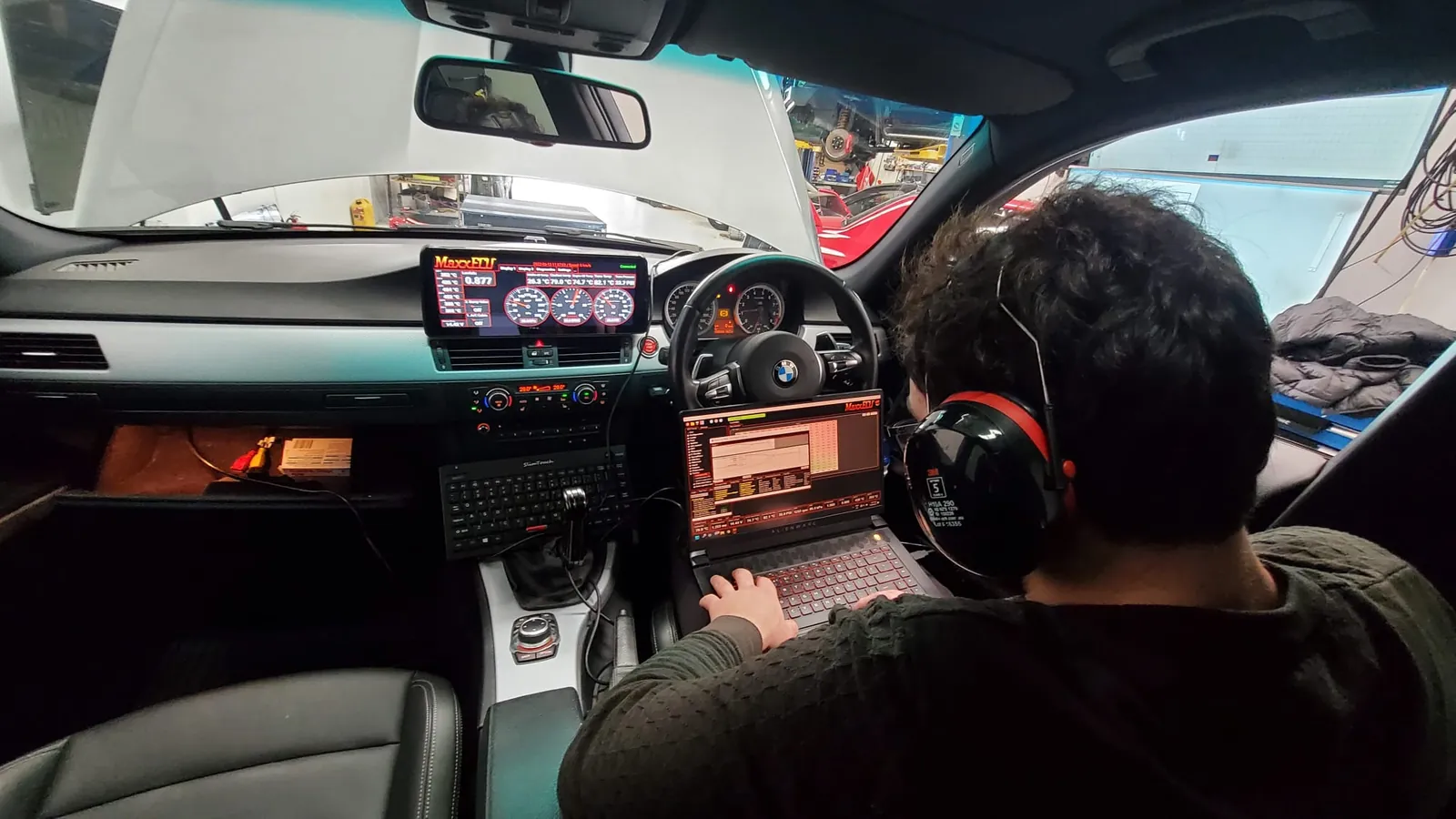
Workshop footage of Subaru FA20DIT (WRX) calibration and development — real vehicles on the dyno, not stock library video.

Dyno results on this engine
Published results from Subaru FA20DIT (WRX) calibrations. Each links to its full result page.
What we calibrate it on
EcuTek
The Subaru flash standard — full access to boost control, AVCS, timing and the DI fuelling tables, with deep logging.
ECU tuning files
Developed from your stock read into a custom file for this specific car and its hardware.
Datalog review
Boost, knock feedback and fuel-pressure logs reviewed to verify the calibration under real load.
What the work concentrates on
Twin-scroll boost control
Wastegate duty calibrated against target manifold pressure so boost arrives early and holds, without the overshoot a responsive twin-scroll turbine invites.
Knock, read from the ECU's own data
Timing advanced only as far as Subaru's knock feedback and long-term multiplier stay clean — the platform reports whether a map is honest, so we use that rather than assume.
AVCS cam timing
Intake and exhaust cam phasing calibrated with boost and timing as one system, since cam overlap changes both cylinder filling and what the turbine sees.
Direct-injection fuelling
Fuelling set against logged high-pressure rail data to its real delivery ceiling, not a target the pump cannot sustain at load.
Where the Subaru FA20DIT (WRX) catches workshops out
Timing the engine will not keep
A map can look strong on a cool dyno and quietly give the advance back on a hot day. We calibrate to what the knock feedback accepts consistently, so the number on the road matches the number on the sheet.
Boost overshoot on a fast turbine
The twin-scroll spools quickly enough that an aggressive feed-forward term overshoots target before the closed loop catches it. Boost is re-based near target and trimmed on logged target-versus-actual.
A high-kilometre direct-injection engine
With no port injector to wash the intake valves, deposits build over distance and airflow suffers. Worth establishing the engine's condition before a calibration is asked to explain a soft result.
Symptom → cause → calibration logic for the issues above:
More in the calibration problem library.
Subaru FA20DIT (WRX) calibration — questions workshops ask
Is this the same FA20 as the 86 and BRZ?
No. The 86/BRZ FA20D is naturally aspirated with port and direct injection. The WRX FA20DIT is turbocharged, direct injection only, and a completely different calibration platform despite the shared family name.
What do you tune it on?
EcuTek — the Subaru flash standard, with access to boost control, AVCS, timing and the direct-injection fuelling tables, plus the logging depth needed to validate the result.
Can it run E85?
Where the fuel system supports it, ethanol fuelling can be calibrated and verified on logged rail pressure and air-fuel ratio. We advise on the delivery ceiling for your specific setup before committing to a target.
What do you need from my workshop?
The stock ECU read plus logs — boost, knock feedback and fuel pressure under real load. We develop and validate the calibration from that and revise until it is confirmed stable.
Calibrate a Subaru FA20DIT (WRX) with us behind you
Your workshop reads the ECU and logs the car; we develop and validate the calibration from your data. See real Subaru results in the Subaru dyno results. Calibrations are for off-road and competition use; accounts are manually reviewed.
Subaru FA20DIT (WRX) cars through the workshop
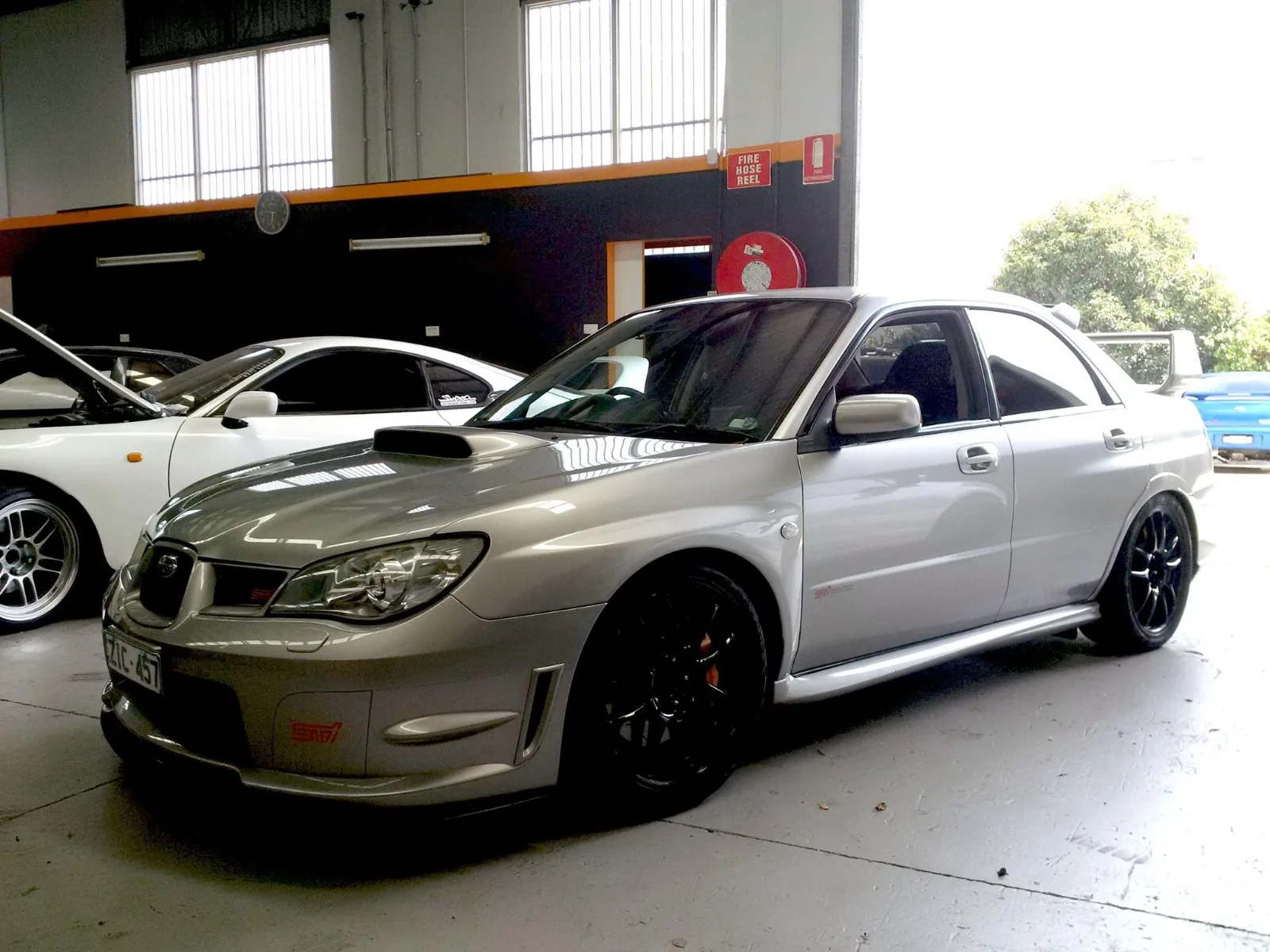
Photographs of the platforms this engine actually comes in, from the workshop years behind the service.
-
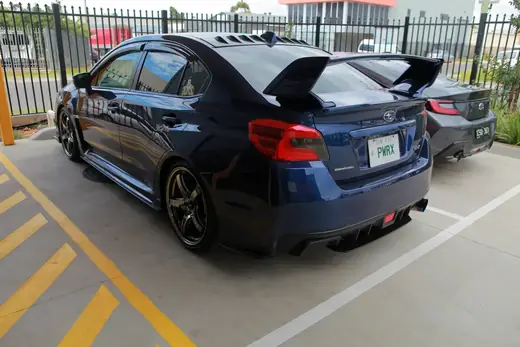
Subaru WRX VA -
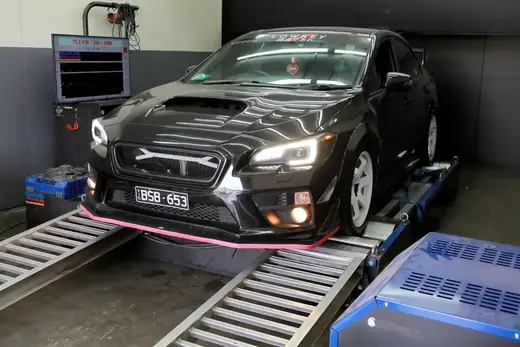
Subaru WRX VA
Photographs from the former Tuned By Anton workshop, 2015–2025. See the full gallery
