
Mitsubishi 4G63 Tuning & Calibration
The 4G63 is the engine that made the Evo a giant-killer — an iron-block turbo four that takes boost and abuse in equal measure. The power is there; extracting it cleanly, without detonation, is calibration.
Mitsubishi 4G63T 2.0L Turbo (Lancer Evolution)
The Mitsubishi 4G63T is calibrated on ECUtek, HP Tuners or a standalone ECU, where the real work is boost control, injector scaling and fuelling for E85 or pump, knock control, and MIVEC intake-cam timing on the Evo IX. Every file is developed from the stock read and validated against logged AFR, knock and boost before sign-off — the 4G63 rewards precision and punishes a lazy map.
What the Mitsubishi 4G63 needs from a calibration
The 4G63T — the 2.0-litre turbo four in the Lancer Evolution I through IX — is one of the most tuned engines ever built. The cast-iron block and forged internals in the factory Evo take serious boost, which is exactly why calibration, not hardware, is usually the limit on a well-built car.
Fuelling and knock control are where a 4G63 is won or lost. The engine is happy to make big power on a bigger turbo and E85, but it detonates fast when the timing and fuelling aren't right — and detonation on a 4G63 ends engines. A proper calibration sets fuelling to the injectors and fuel actually run, then verifies timing against logged knock rather than trusting the factory margin.
On the Evo IX the MIVEC intake-cam timing adds a real tuning axis — cam advance traded against boost and timing across the range for response and area under the curve. Done as data-led engineering, the 4G63 delivers the response and top-end the platform is famous for, repeatably.
Mitsubishi 4G63 calibration work
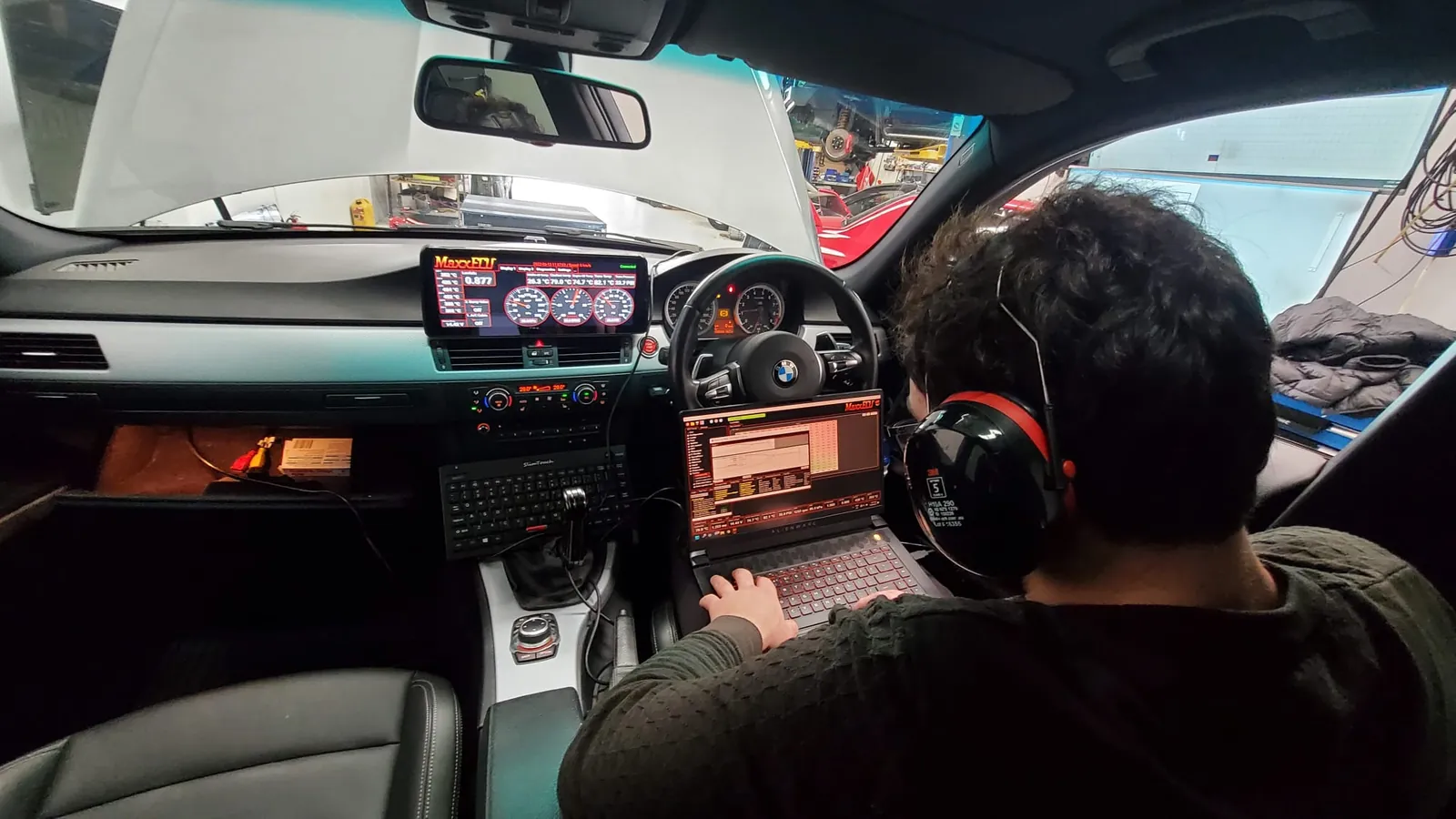
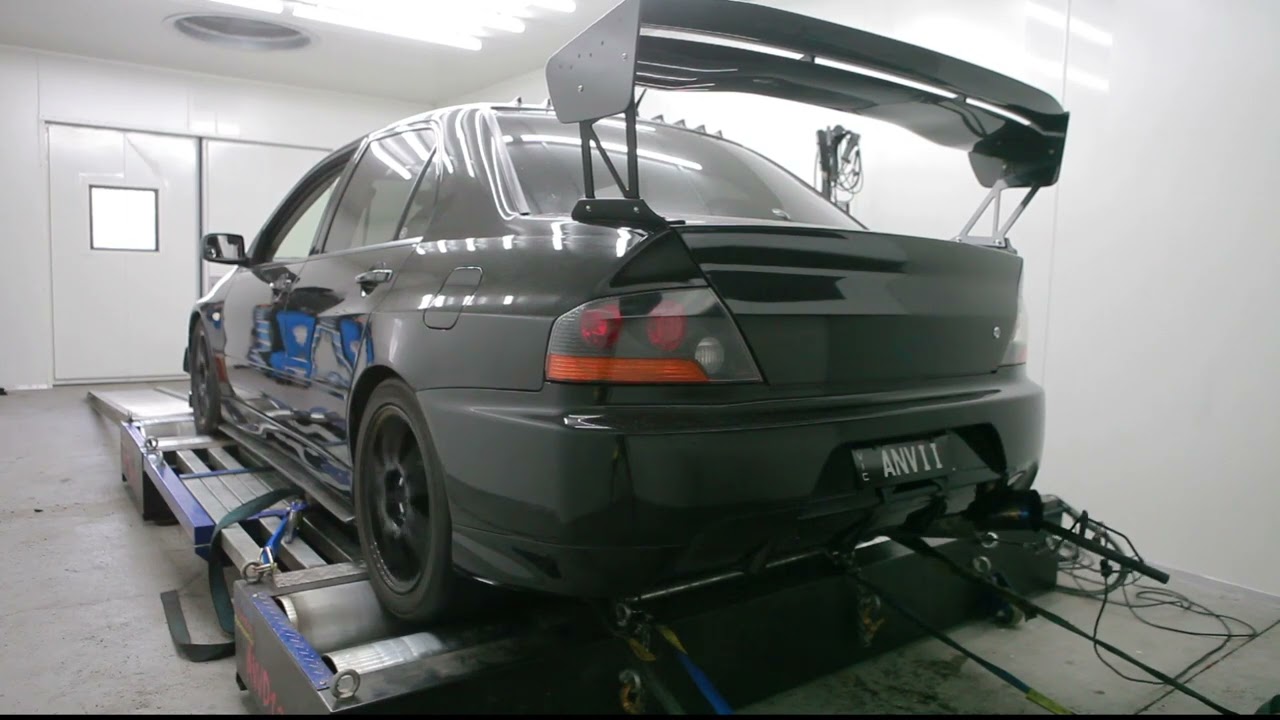
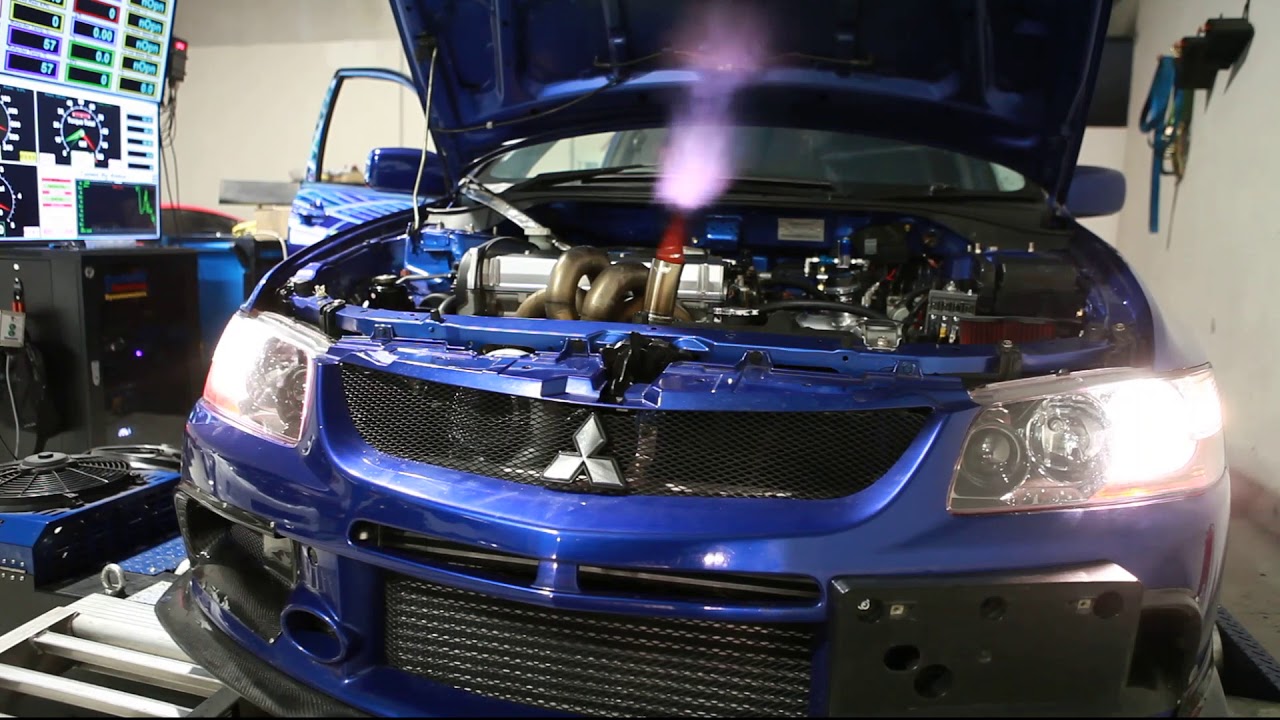
Workshop footage of Mitsubishi 4G63 calibration and development — real vehicles on the dyno, not stock library video.


Dyno results on this engine
Published results from Mitsubishi 4G63 calibrations. Each links to its full result page.
Showing 6 of 23 results on this engine. Browse them all in the dyno results archive.
What we calibrate it on
ECUtek
Deep factory-ECU access for the Evo — full boost, fuel, timing and MIVEC control with strong logging.
HP Tuners
Broad coverage with the logging depth needed to validate a high-boost 4G63 against knock and AFR.
Standalone ECU
For big-power and drag builds, a standalone gives complete control of fuel, spark and boost.
What the work concentrates on
Boost control
Wastegate duty and boost targets calibrated to land on target and hold across the range, matched to the turbo actually fitted.
E85 & injector scaling
Injector characterisation and fuelling for E85 or pump, so AFR is right everywhere — not a rich-and-hope safety blanket.
Knock control
Timing verified against logged knock — the 4G63 detonates fast, so the calibration protects the engine, not just the dyno figure.
MIVEC cam timing (Evo IX)
Intake-cam advance traded against boost and timing for response and area under the curve on the variable-cam 4G63.
Where the Mitsubishi 4G63 catches workshops out
Detonation at the top of the map
The classic 4G63 engine-killer. Timing and fuelling are re-based and verified against logged knock across load and RPM, with the correct fuel assumed — not the factory margin stretched.
Boost taper or spike on a bigger turbo
Factory boost tables don't suit an upgraded turbo. Wastegate duty is re-based near target, then trimmed on logged boost target-vs-actual.
Injectors maxing out on E85
E85 needs roughly a third more fuel than pump. Fuelling is calibrated to the injectors' real flow, with headroom confirmed at peak so it doesn't lean out up top.
Symptom → cause → calibration logic for the issues above:
More in the calibration problem library.
Mitsubishi 4G63 calibration — questions workshops ask
What do you tune the 4G63 on?
ECUtek or HP Tuners on the factory ECU for most Evo builds, or a standalone ECU for big-power and drag cars. ECUtek gives full boost, fuel, timing and MIVEC control with the logging needed to validate it.
Can you tune a 4G63 for E85?
Yes. Injector scaling and fuelling are calibrated for E85 and verified on logged AFR, with fuel-system headroom confirmed at peak. E85 builds are positioned for off-road and competition use.
Will the tune be safe against detonation?
That's the priority on a 4G63. Timing is verified against logged knock across the range with the correct fuel, so the calibration is repeatable and protects the engine rather than relying on the factory safety margin.
Does the car need to come to you?
No. Your workshop reads the ECU, fits the hardware and logs the car; we develop and validate the 4G63 calibration from your data. You keep the customer and the dyno.
Calibrate a Mitsubishi 4G63 with us behind you
Your workshop reads the ECU and logs the car; we develop and validate the calibration from your data. See real Mitsubishi results in the Mitsubishi dyno results. Calibrations are for off-road and competition use; accounts are manually reviewed.
Mitsubishi 4G63 cars through the workshop
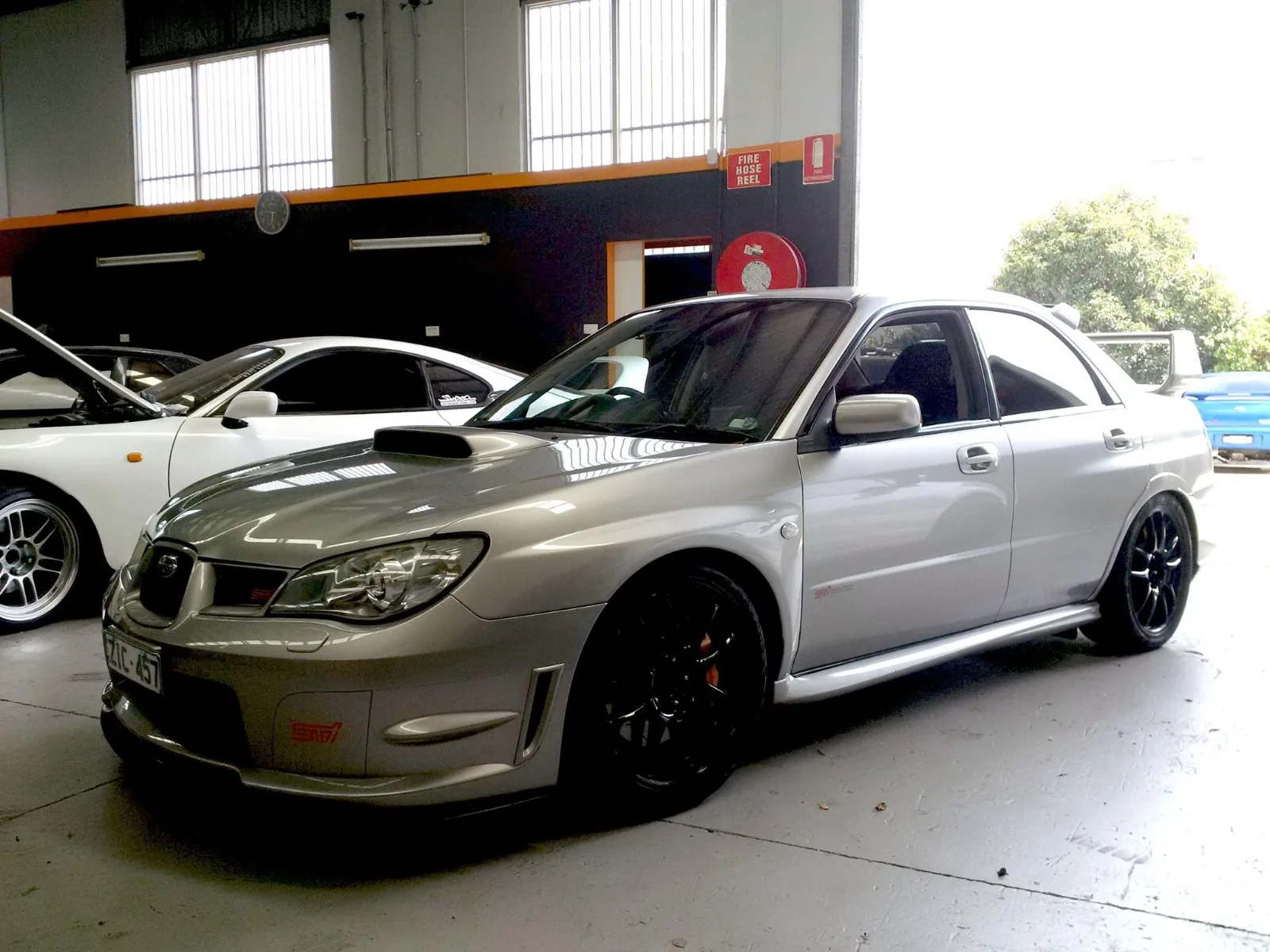
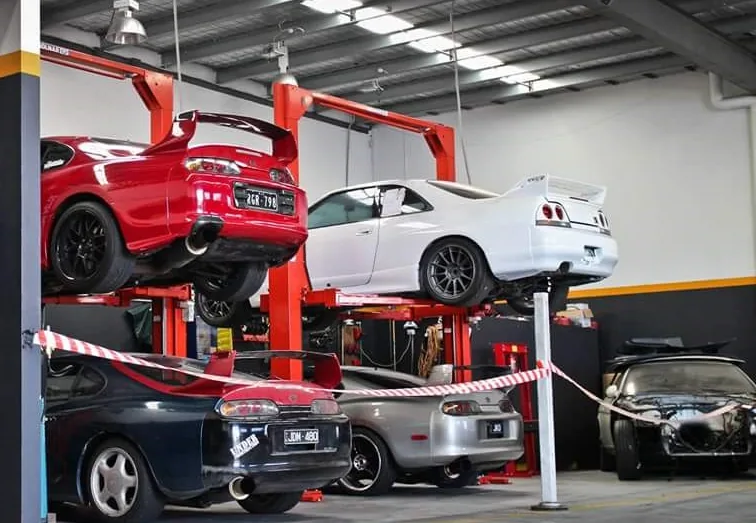
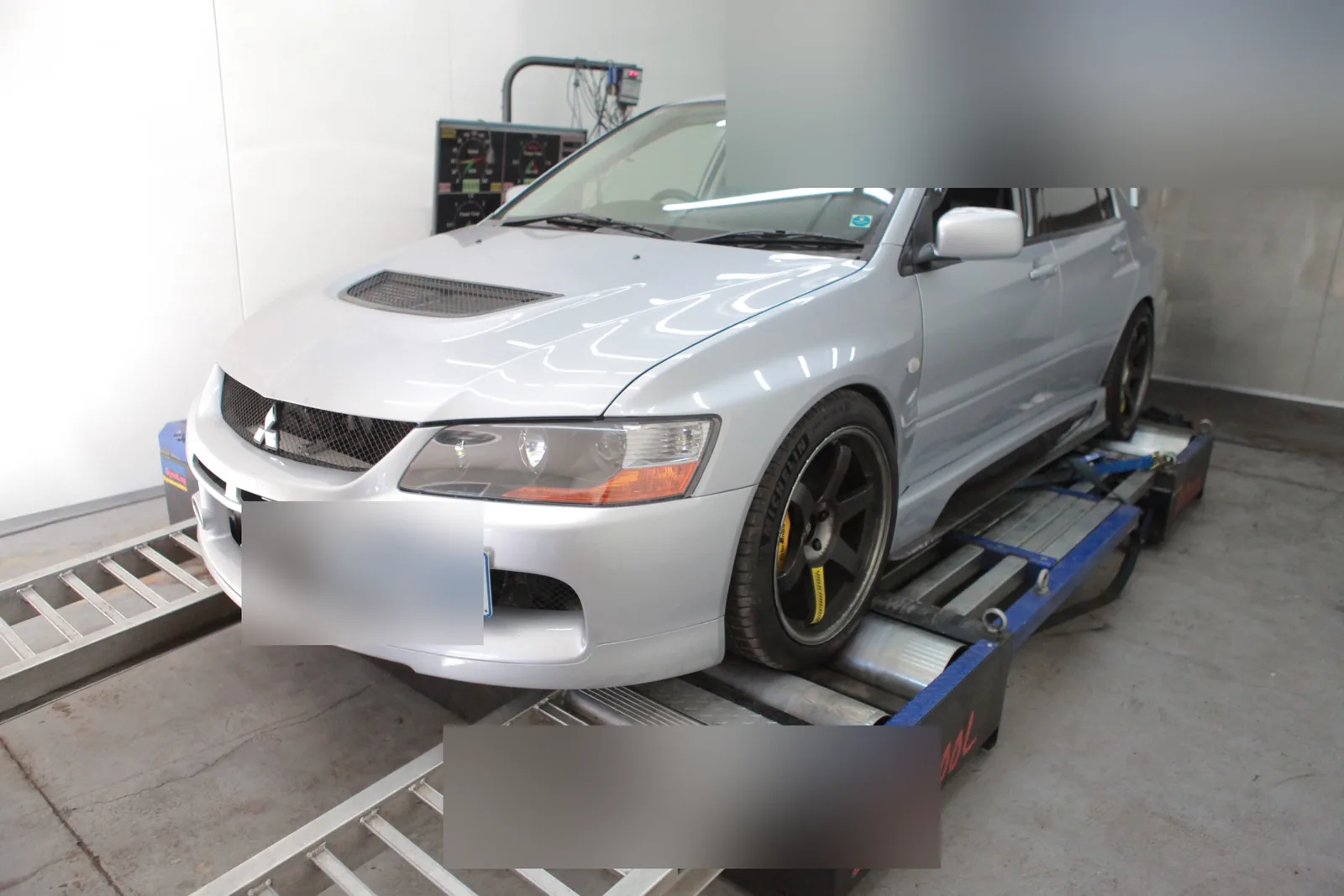
Photographs of the platforms this engine actually comes in, from the workshop years behind the service.
-
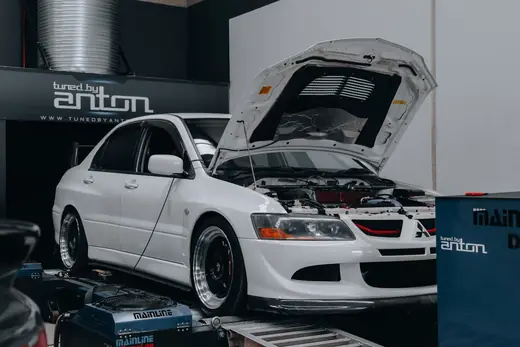
Mitsubishi Evo -
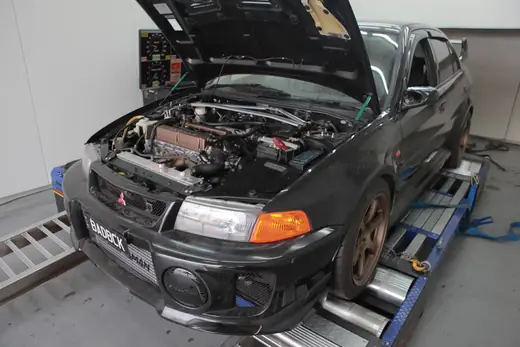
Mitsubishi Evo 5 -
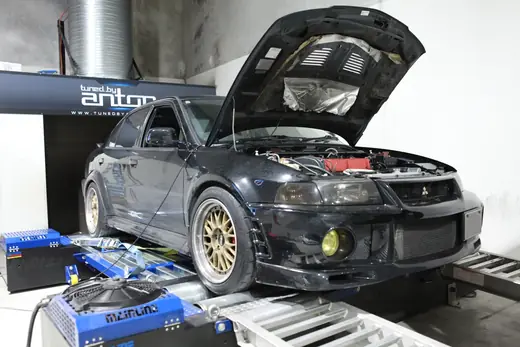
Mitsubishi Evo 6 -
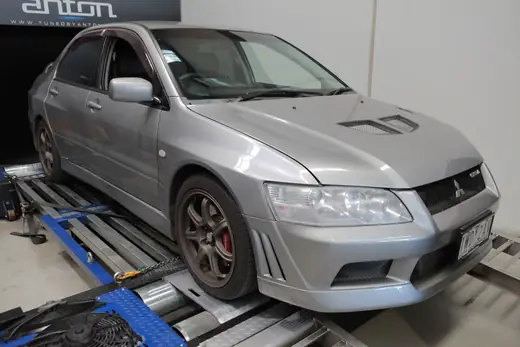
Mitsubishi Evo 7
Photographs from the former Tuned By Anton workshop, 2015–2025. See the full gallery
