
Nissan RB26DETT Tuning & Calibration
The RB26DETT is the heart of the Skyline GT-R legend — an over-built twin-turbo six that was under-rated from the factory and begs for calibration. Get the tune right and the RB26 becomes exactly what its reputation promises.
Nissan RB26DETT 2.6L Twin-Turbo Inline-Six (Skyline GT-R)
The Nissan RB26DETT is calibrated on a standalone ECU (Link, Haltech, MoTeC, Emtron), focused on boost control for the twin or single-turbo setup, E85 or flex fuelling, individual-cylinder trim where the platform allows, and knock control. Every file is developed from a base map and validated against logged AFR, knock and boost — the RB26 block is strong, so the calibration is what unlocks it.
What the Nissan RB26DETT needs from a calibration
The RB26DETT — the 2.6-litre twin-turbo six from the R32, R33 and R34 GT-R — was built for motorsport homologation and was conservative from the factory. The strong block, six individual throttle bodies and twin-turbo layout give it real headroom, and the platform's history means the calibration paths are exceptionally well understood.
Most RB26 builds run a standalone ECU, because the factory ECU is old and limited against what the engine can do. That opens up proper boost control — whether the car keeps the parallel twins or moves to a single — plus fuelling and timing set for the hardware and fuel actually run, with individual-cylinder trim to even out the six.
On E85 and a good turbo setup the RB26 delivers the response and top-end it's famous for. The work that gets it there safely is data-led: injector scaling, knock verification and boost control all proven on logs rather than assumed from a base map.
Nissan RB26DETT calibration work
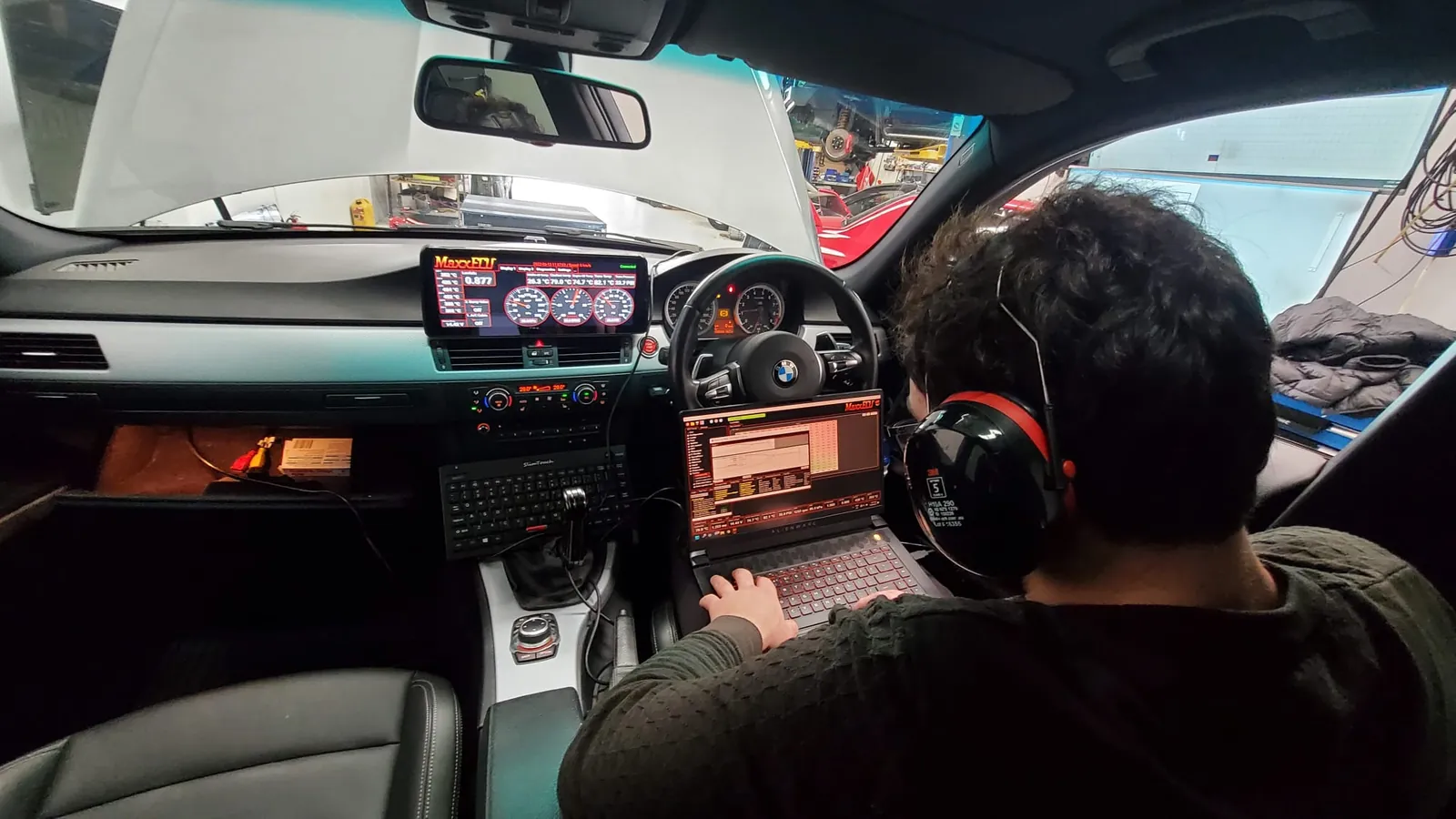
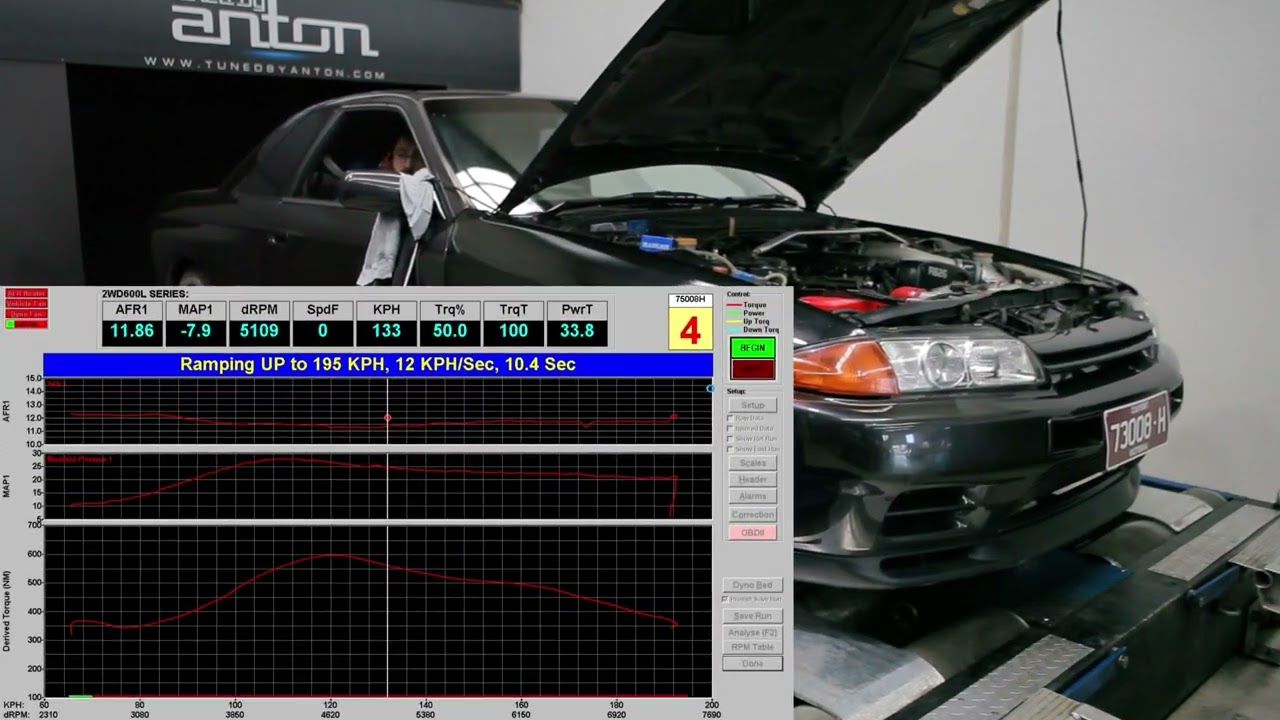
Workshop footage of Nissan RB26DETT calibration and development — real vehicles on the dyno, not stock library video.

Dyno results on this engine
Published results from Nissan RB26DETT calibrations. Each links to its full result page.
What we calibrate it on
Standalone ECU
Link, Haltech, MoTeC or Emtron — the usual RB26 path, with full control of fuel, spark, boost and per-cylinder trim.
Datalog review
AFR, knock and boost logs reviewed so the RB26 file is verified before full load.
What the work concentrates on
Twin or single-turbo boost
Boost control calibrated to the turbo setup — parallel twins or a single — so it spools and holds on target across the range.
E85 & injector scaling
Injector characterisation and fuelling for E85 or flex, with fuel-system headroom confirmed at peak on logged AFR.
Individual-cylinder trim
Per-cylinder fuel and timing trim to even out the inline-six, so no cylinder runs lean or knock-limited ahead of the rest.
Knock control
Timing verified against logged knock so the calibration is safe and repeatable at the power the RB26 is built to make.
Where the Nissan RB26DETT catches workshops out
One cylinder running lean or knock-limited
The inline-six rarely fuels perfectly evenly. Individual-cylinder trim is dialled in on logged data so the whole engine is safe, not just the average.
Boost surge on the parallel twins
The factory twin setup can hunt. Boost control is re-based near target and trimmed on logged target-vs-actual, or reworked cleanly for a single conversion.
Ageing factory ECU limiting the build
The stock RB26 ECU is limited for modern power. A standalone unlocks proper fuel, spark and boost control, calibrated from a base map and verified on data.
Symptom → cause → calibration logic for the issues above:
More in the calibration problem library.
Nissan RB26DETT calibration — questions workshops ask
Do you tune the factory RB26 ECU or standalone?
Standalone is the usual path — Link, Haltech, MoTeC or Emtron — because the factory ECU is limited for modern power. It gives full control of fuel, spark, boost and per-cylinder trim, which the RB26 benefits from.
Can you keep the twin turbos or should I go single?
Both work. We calibrate boost control for whichever setup the car runs — the factory-style parallel twins or a single-turbo conversion — so it spools and holds cleanly.
Is individual-cylinder tuning worth it?
On a hard-worked RB26, yes. Per-cylinder fuel and timing trim evens out the inline-six so no single cylinder runs lean or knock-limited ahead of the others — it's a real safety and consistency gain.
Does the car need to come to you?
No. Your workshop wires and logs the car; we develop and validate the RB26 calibration from your data and revise against your results. You keep the customer relationship.
Calibrate a Nissan RB26DETT with us behind you
Your workshop reads the ECU and logs the car; we develop and validate the calibration from your data. See real Nissan results in the Nissan dyno results. Calibrations are for off-road and competition use; accounts are manually reviewed.
Nissan RB26DETT cars through the workshop
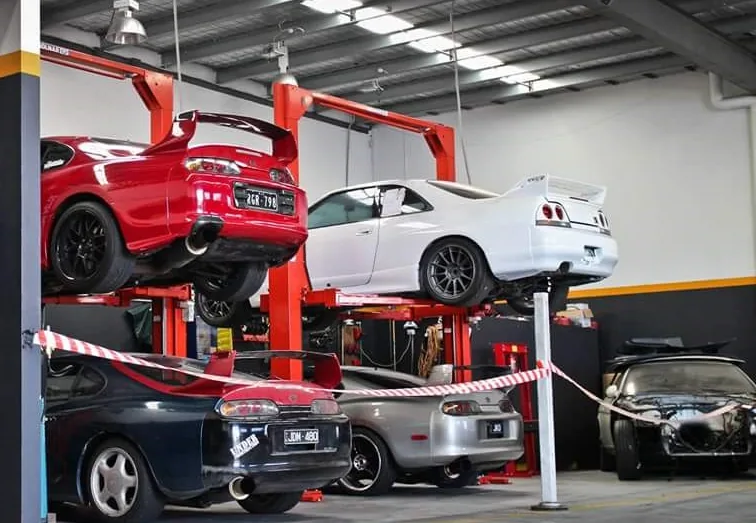
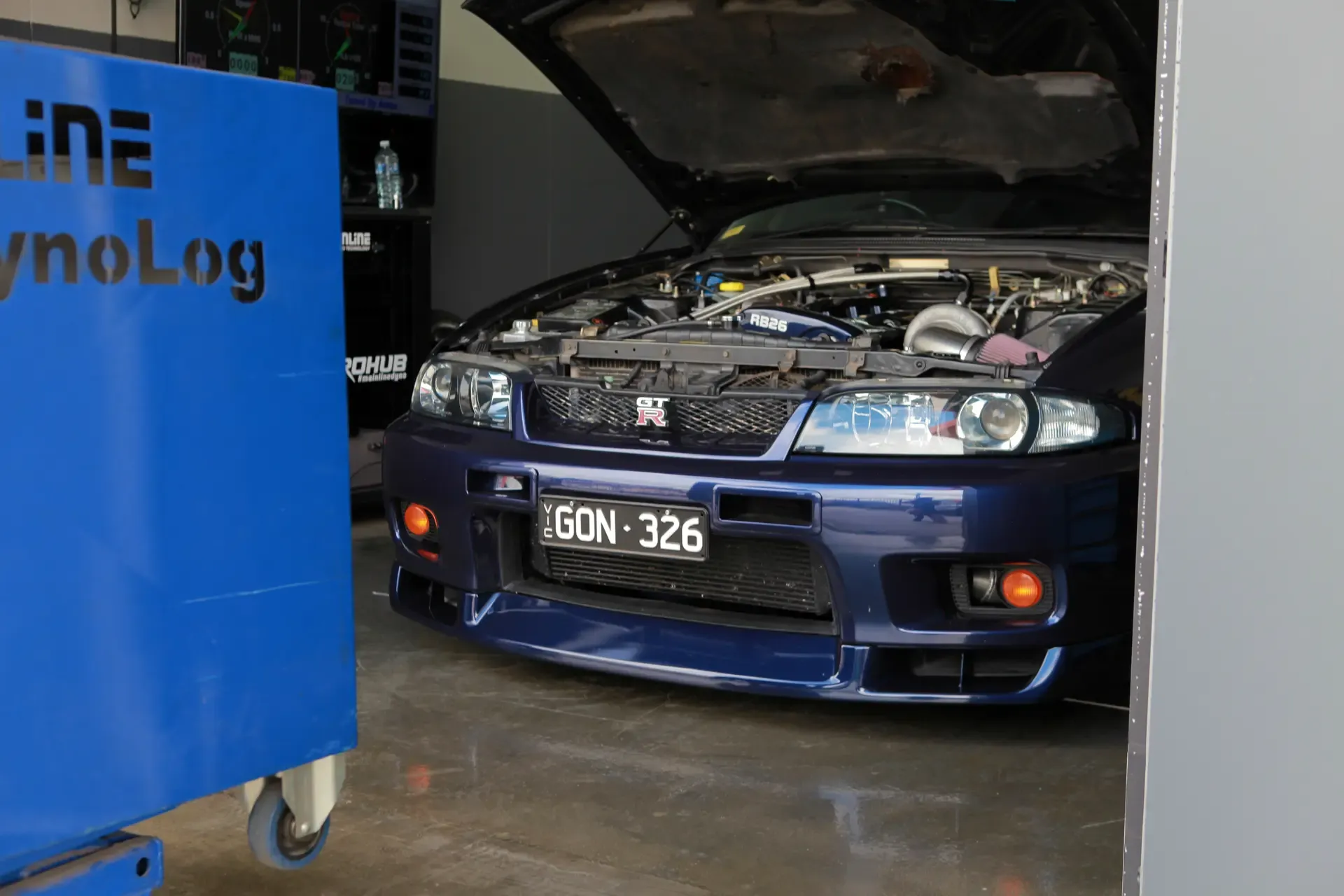
Photographs of the platforms this engine actually comes in, from the workshop years behind the service.
-
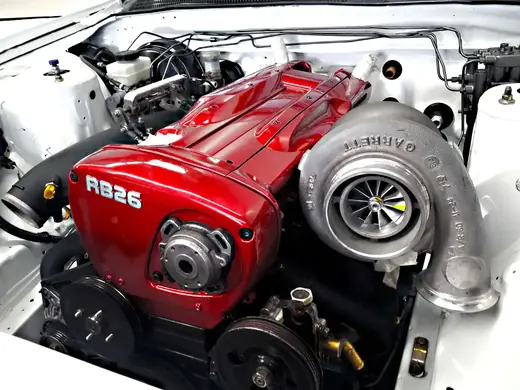
Nissan RB26 -
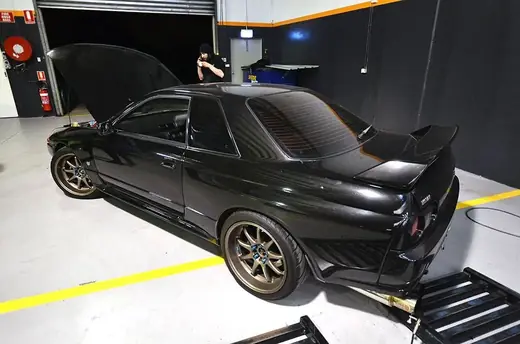
Nissan Skyline R32 GT-R -
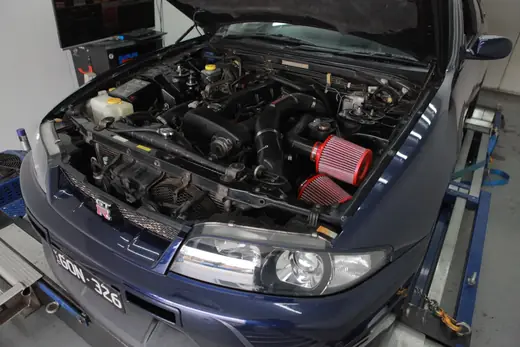
Nissan Skyline R33 GT-R -
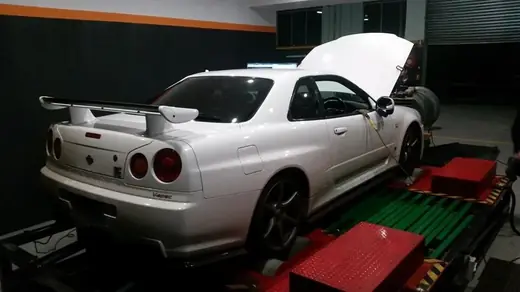
Nissan Skyline R34 GT-R
Photographs from the former Tuned By Anton workshop, 2015–2025. See the full gallery
